Application scenarios and development of walkie-talkies
Mar 25,2024 | jianpai radio
Walkie-talkies look great, but there is still a big gap between them and mobile phones in terms of functionality and appearance. With a mobile phone, is it necessary to use a walkie-talkie?
I think it is necessary because walkie-talkies have their own unique application scenarios, including:
emergency communications
In some extreme weather conditions, there is a risk of network interruption. When the mobile phone cannot make calls due to network interruption, the walkie-talkie's network-independent feature ensures that in this case, it can still talk to other walkie-talkies and establish contact with the outside world. Walkie-talkies are very practical and powerful emergency communication equipment. For more information on emergency communications, see How to ensure emergency communications after a major earthquake?
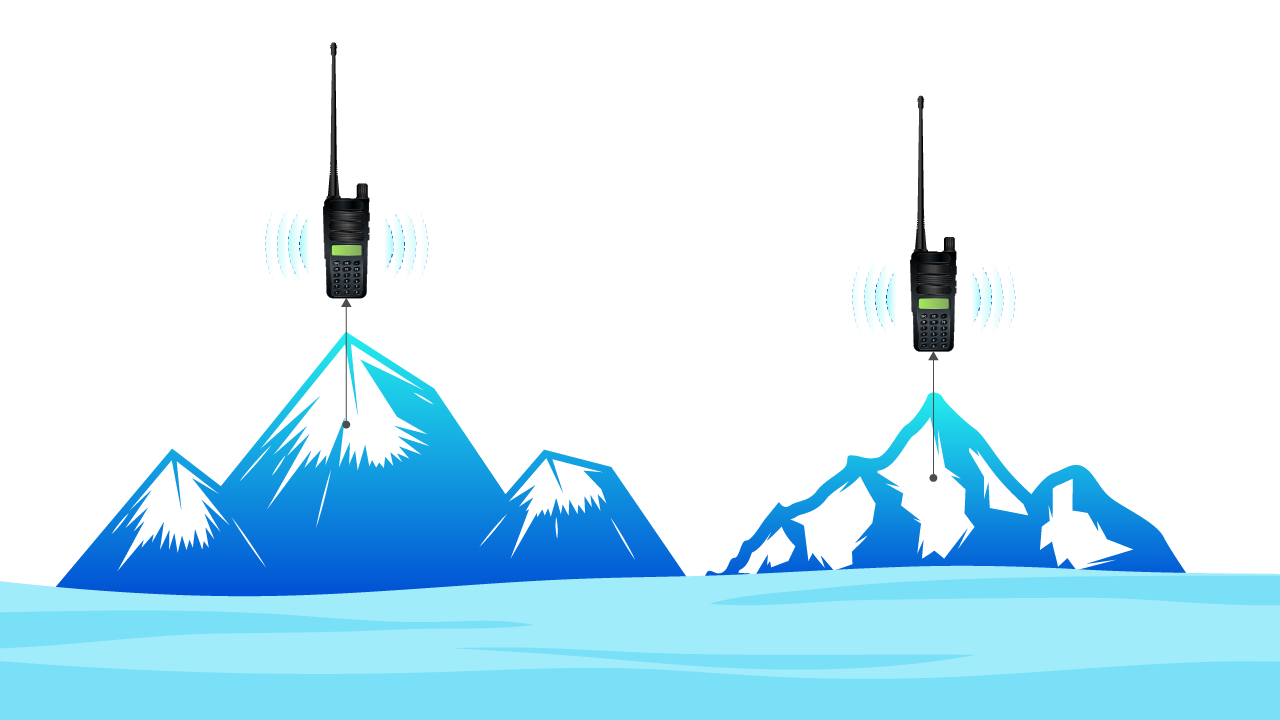
Outdoors, basement, tunnel
Although communicators have covered a large area of the earth with the network, base stations may not have covered it in environments such as the wild, basements, and tunnels, which is where walkie-talkies can play a role.
Medical places, supermarkets, large event sites
In these environments where every second is important and efficiency comes first, the simplicity and directness of walkie-talkies make communication faster and more effective.

The development of walkie-talkies
Walkie-talkies have undergone many changes since their invention. Current types of walkie-talkies include:
traditional walkie-talkie
The earliest and most widely used type of walkie-talkie uses analog signals, mainly to modulate the signal to the communication frequency band of the walkie-talkie. Two walkie-talkies need to use the same communication channel within the calling range to have a successful call.
digital intercom
Digital signals are used to convert speech into digital codes for transmission between different walkie-talkies, which can effectively avoid problems such as noise and distortion during calls. Time division multiple access is adopted, allowing multiple users to use the same frequency band at the same time, thereby increasing the communication capacity and allowing one walkie-talkie to talk to more walkie-talkies.
IP intercom (public network intercom)
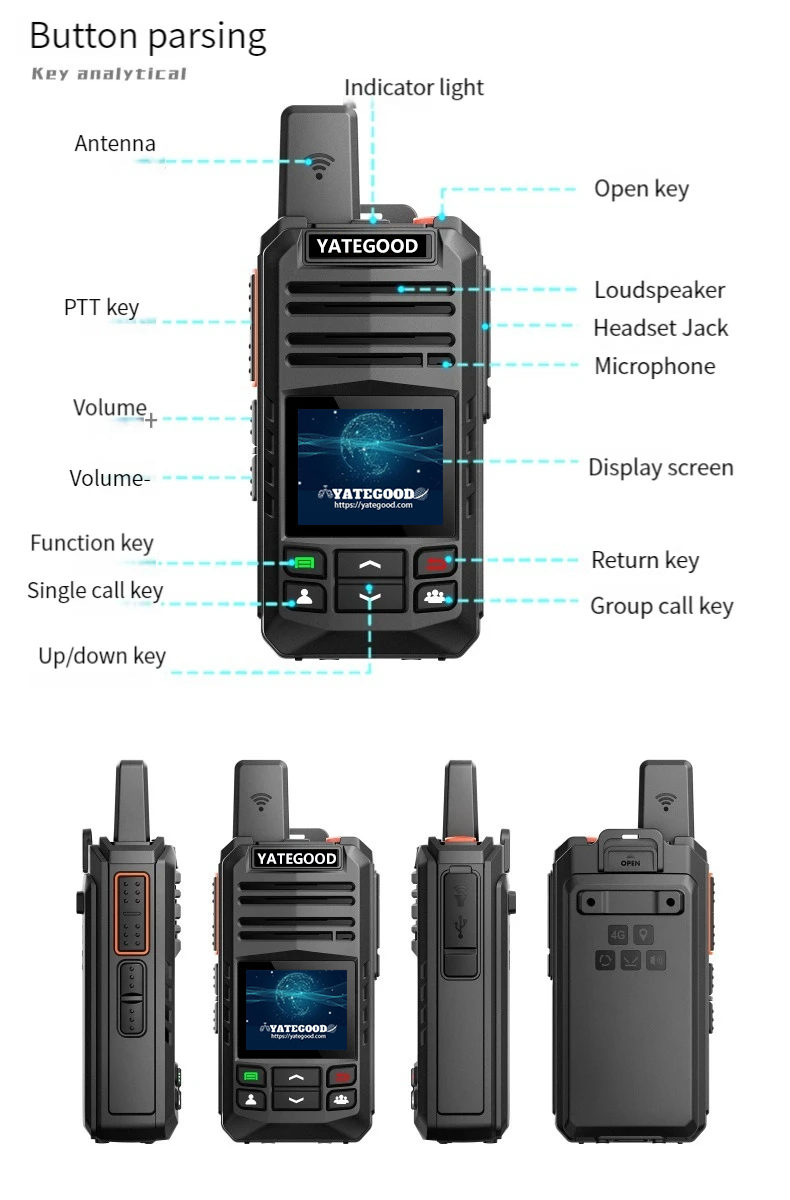
It means to connect the intercom to our existing communication network to extend the calling distance. This type of walkie-talkie, after installing a SIM card, can have a maximum calling distance of more than 5,000 kilometers. In addition to the original long antenna, the public network walkie-talkie also adds an antenna specifically responsible for establishing communication with the base station. However, since the communication frequency of mobile phones is much higher than that of walkie-talkies, the newly added antenna is relatively short and can be completely hidden inside the walkie-talkies. IP intercoms use existing communication networks to make calls, and are essentially no different from mobile phones.
Σχόλιο