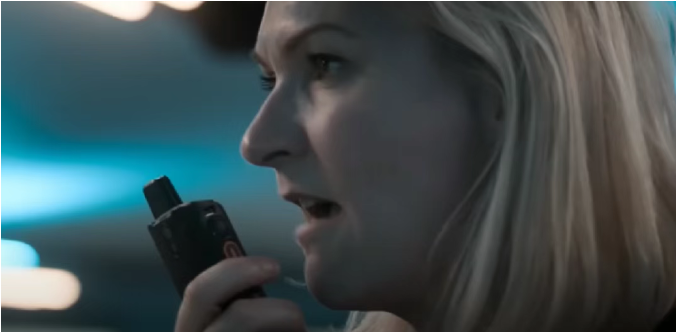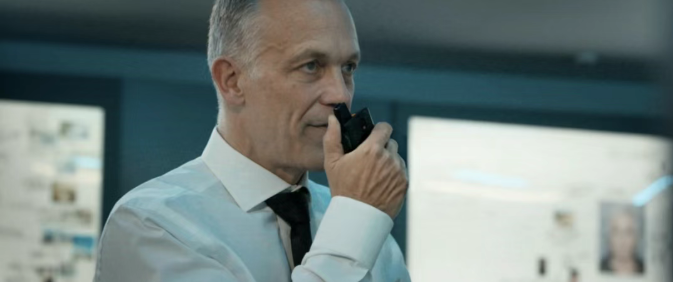
Who says walkie-talkies can only be walkie-talkies? 🤔
May 28,2025 | jianpai radio
Unlike traditional telephones, walkie-talkies usually use half-duplex communication, that is, only one-way transmission can be achieved at the same time.
Half-duplex communication: The device is usually in receiving mode. When the user needs to speak, press the "push to talk" (PTT) button to switch to the transmission mode; the reception is restored immediately after release.
Channel sharing: Multiple walkie-talkies share the same radio channel to ensure that only one device transmits at the same time, and other devices remain in monitoring mode.
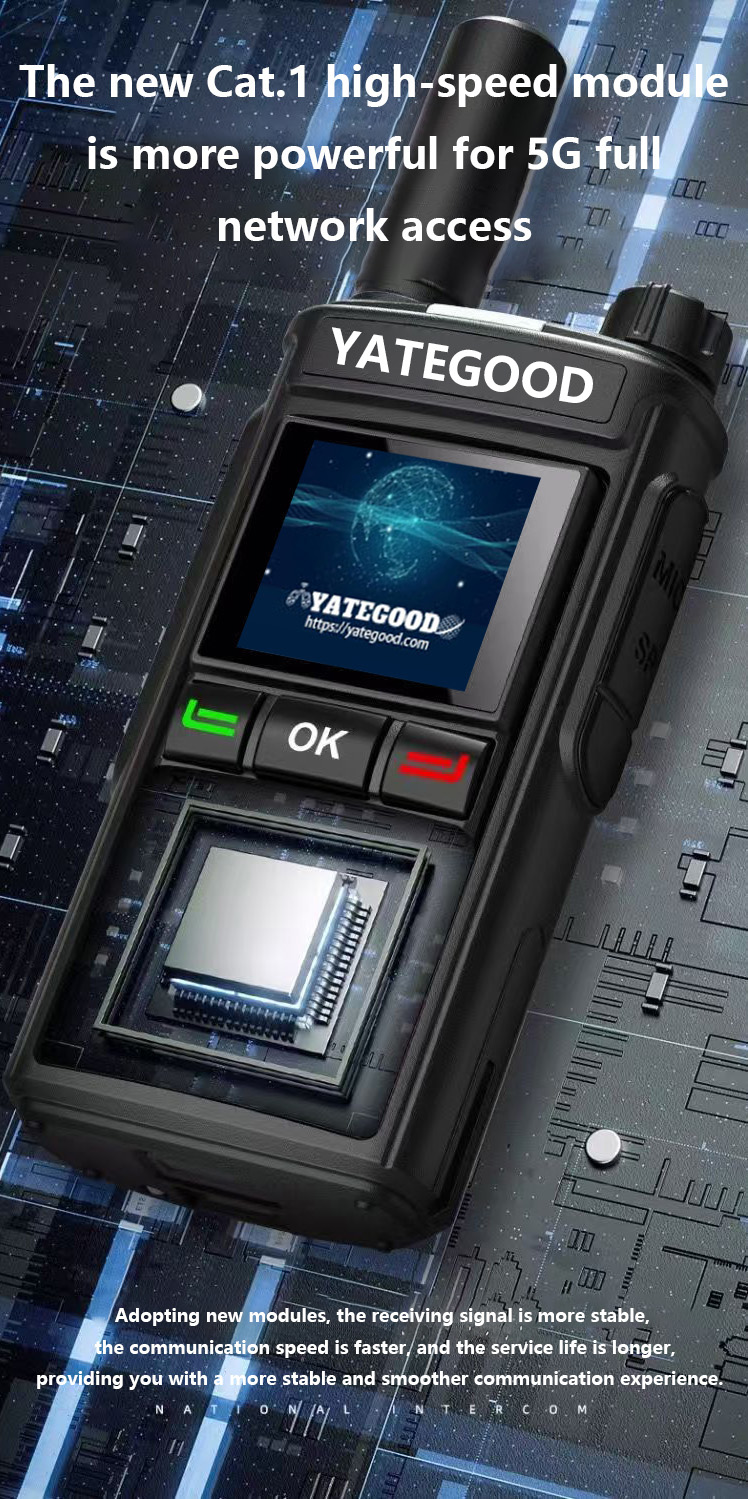
Easy operation: Most walkie-talkies are designed like telephone handsets, with a built-in speaker on one end (some devices support speakers as microphones), a microphone on the other end, and an antenna on the top. When using, just hold the device to your ear.
Megjegyzés