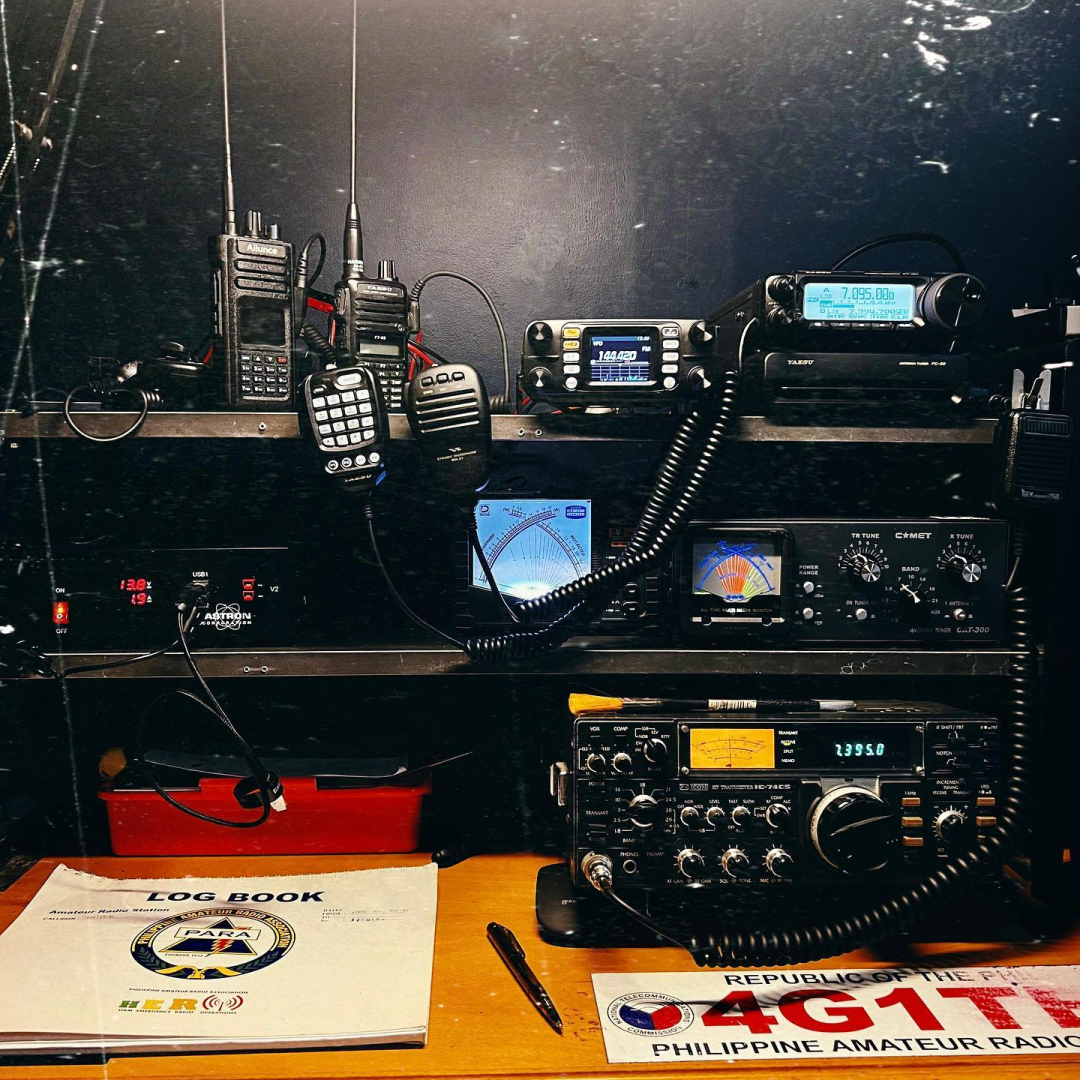
What are the advantages of public network walkie-talkies compared to traditional walkie-talkies?
Mar 03,2024 | jianpai radio
A public network intercom is a type of intercom that performs voice transmission based on a public network. It is also called a card intercom or an IP intercom. It can connect users to the intercom platform through public networks such as mobile communication networks (such as 4G, 5G) and Wi-Fi to achieve real-time voice intercoms with other users. Public network walkie-talkies have the following advantages over traditional walkie-talkies:
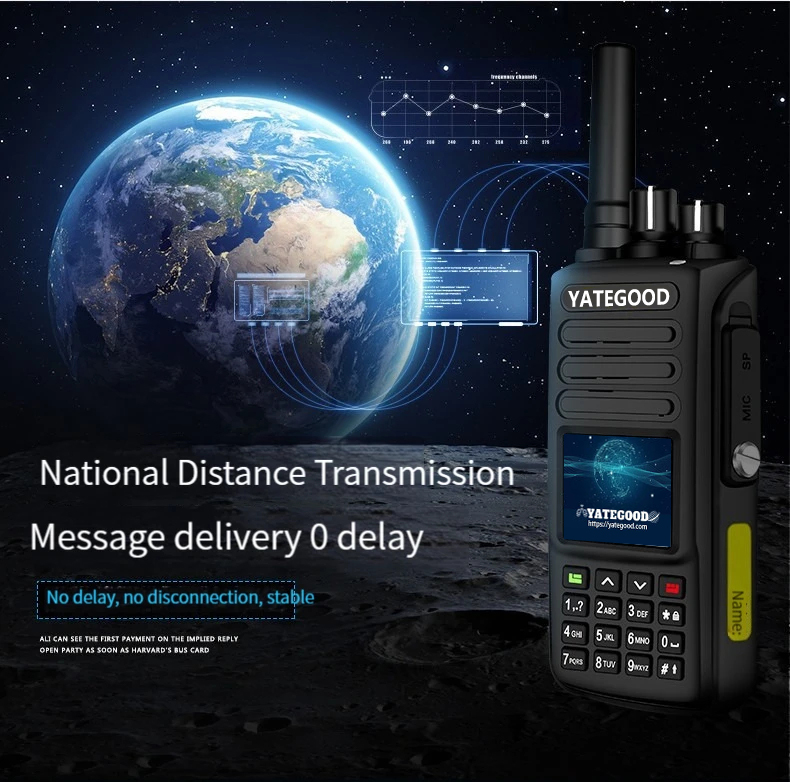
1. Can intercom nationwide, no distance restrictions: Public network intercoms are not limited by the communication distance of traditional intercoms, and can intercom anywhere as long as there is an Internet connection. Using public networks, such as 4G, 5G or Wi-Fi, wireless communication can be achieved in vast areas such as cities, mountains, oceans, etc., truly achieving nationwide intercom, with a coverage area that far exceeds that of traditional walkie-talkies.
2. High call quality: Public network walkie-talkies use digital signal transmission, which has better anti-interference capabilities and voice clarity than the analog signals of traditional walkie-talkies. Digital signals have less distortion during transmission, ensuring stable call quality and allowing the other party to clearly hear the call content even in a noisy environment.
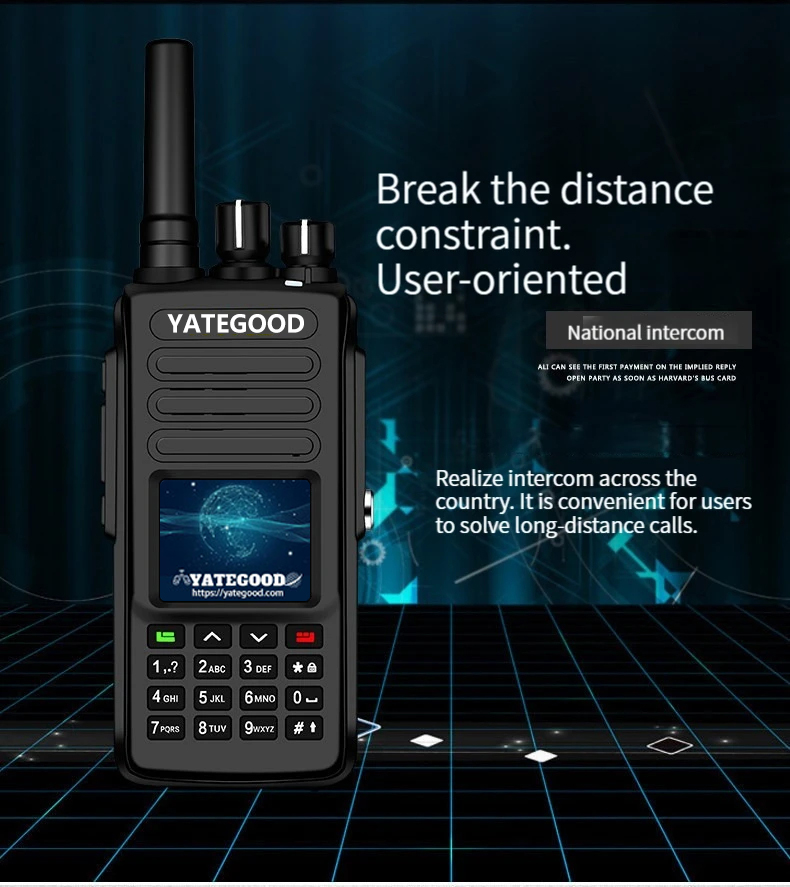
3. Support multimedia communication and positioning: Most public network walkie-talkies support the Android operating system, which is similar to commonly used mobile phone operations and supports multimedia communication, such as text, pictures, audio and video, etc. Not only can you make voice calls, but you can also transmit various non-voice information to meet diverse communication needs. Public network walkie-talkies usually have GPS positioning function, which can accurately locate the location of the device. At the same time, some public network walkie-talkies also support the track recording function, which can record the use track of the device, allowing users to keep track of the use of the device at any time.
4. No need to apply for frequency resources: Traditional walkie-talkies need to apply for frequency resources and follow certain usage rules. Ruini public network walkie-talkies do not need to apply for frequency resources and can directly use the public network for communication, eliminating the cumbersome application process and fees.
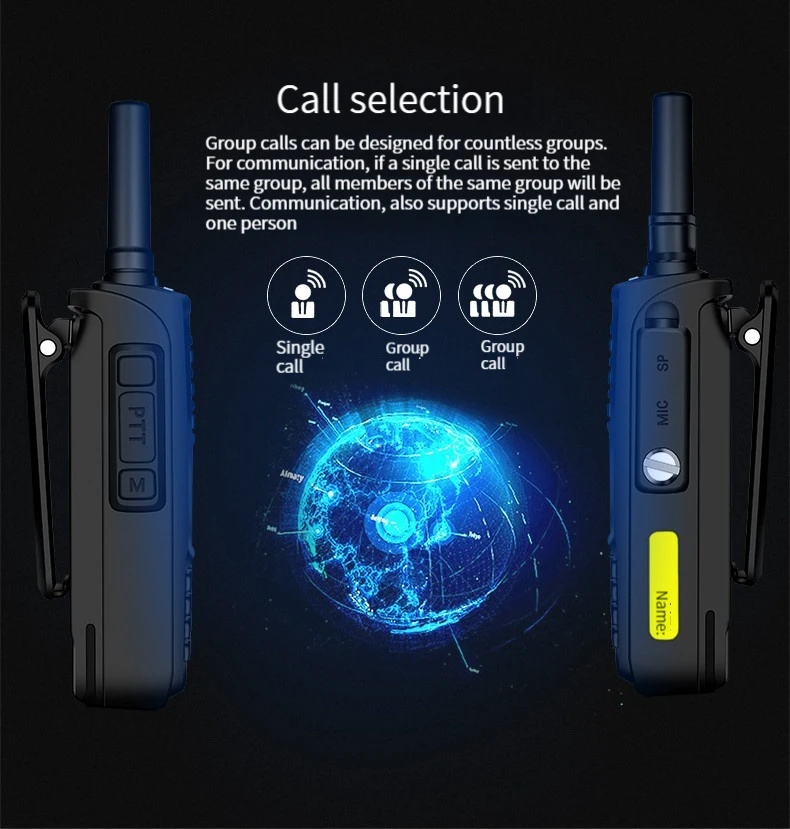
To sum up, compared with traditional walkie-talkies, public network walkie-talkies have the advantages of wide coverage, stable call quality, no need to apply for frequency resources, support for multimedia communications, positioning and track recording functions, and portability and lightness by using the public network, making them more capable. It can better meet diverse communication needs, make team collaboration more efficient and improve work efficiency.
https://yategood.com/products/g39-1
Komentujte