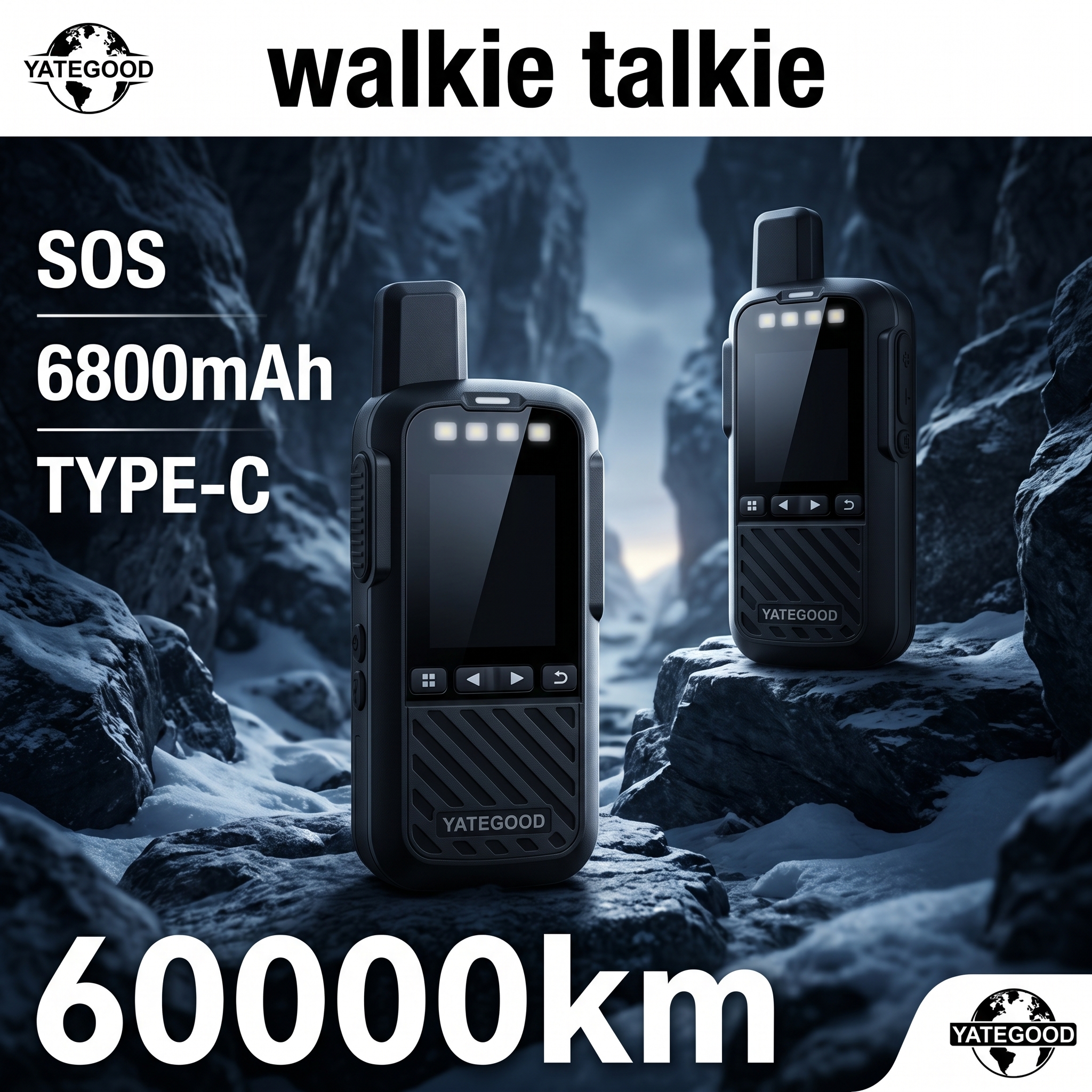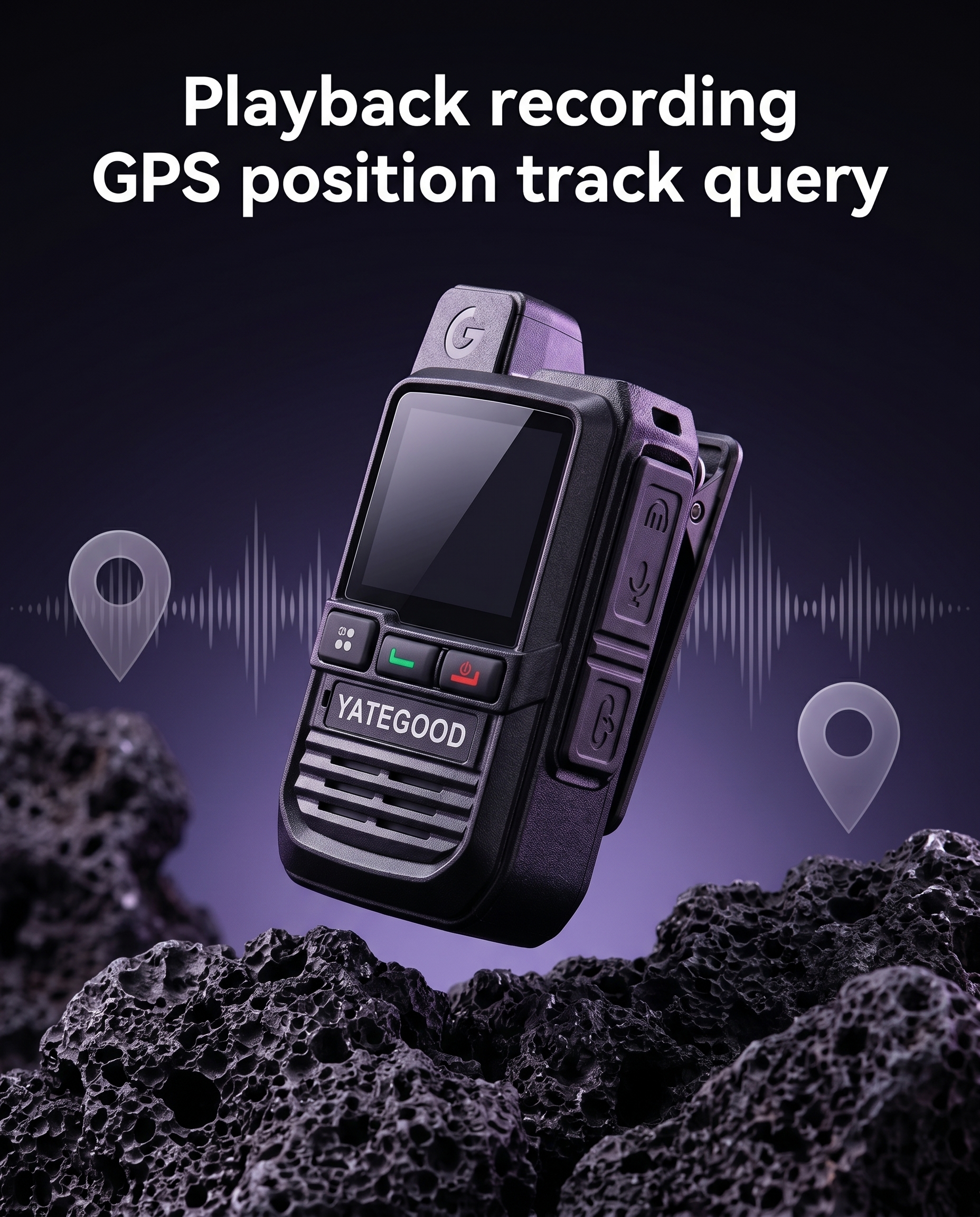
Cell phones have replaced so many things, so why did walkie-talkies survive?
Jul 19,2026 | yategood
Over the past decade, smartphones have become arguably the most widely adopted product on the market, bar none. As their performance has become increasingly powerful, many everyday items such as MP3/MP4 players, radios, watches, voice recorders, calculators, flashlights, digital cameras, and GPS navigators have been replaced by smartphones almost imperceptibly.
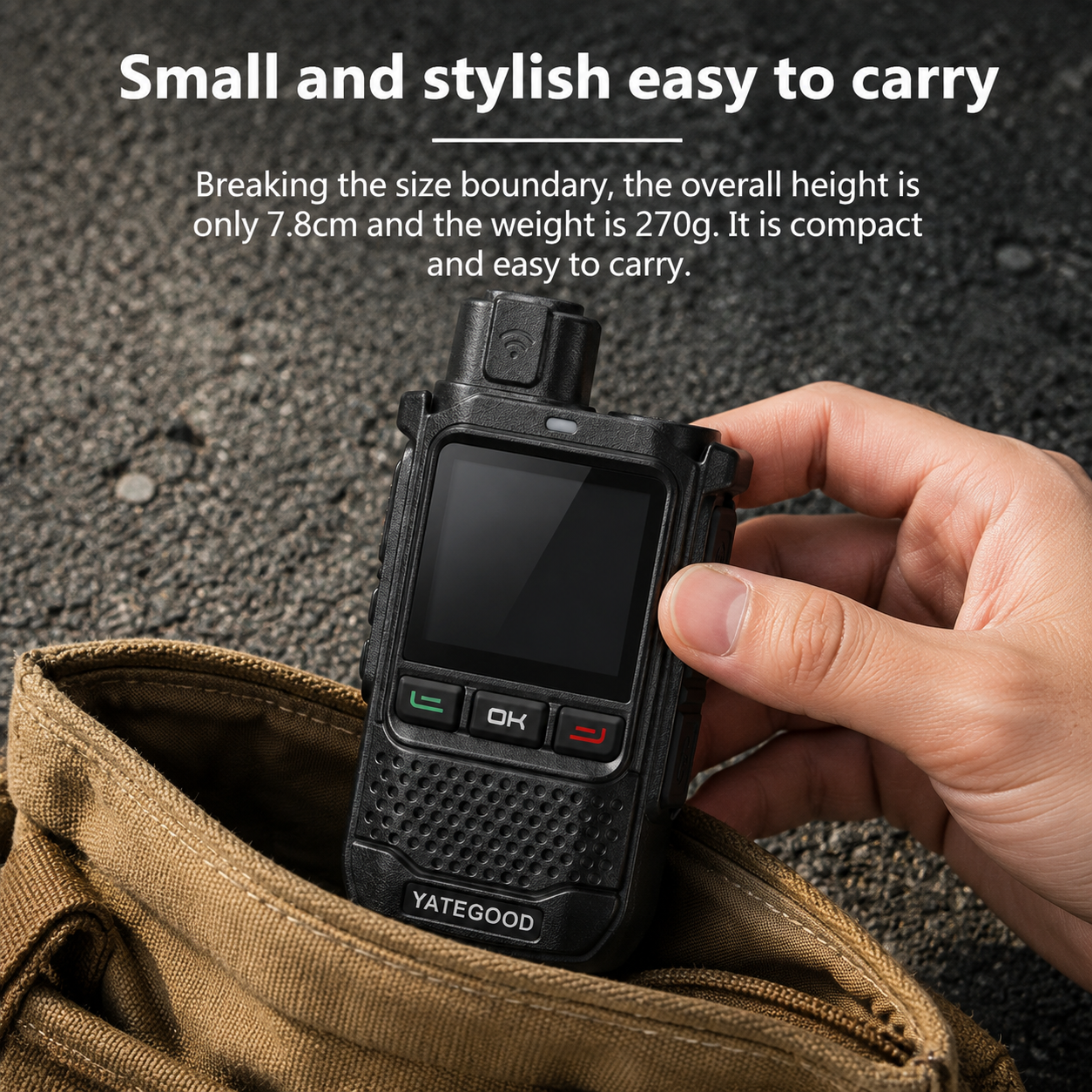
Many friends ask, "Can't a smartphone just be used as a walkie-talkie with WeChat? Why do you still focus on making rugged smart walkie-talkie phones?" Why do many people still need to buy a terminal with wireless walkie-talkie functionality when they already have various communication apps on their phones? Let me start by offering some initial thoughts and welcome everyone's opinions. Specialization is key. It's virtually impossible for a mobile phone to replace a wireless walkie-talkie; without a signal, communication is impossible.
Leave professional tasks to professional equipment. In the professional field of walkie-talkies, reliability and security are paramount. Without a mobile network, even the best mobile phone is useless.
Internet social software, such as QQ, WeChat, and online walkie-talkies, all transmit data via: terminal – sender's operator network – software server – receiver's operator network – receiving terminal. A problem at any point in this chain will cause transmission failure. This dependence on the operator's mobile network is a fatal flaw. Wireless intercom is much simpler and more direct, from the transmitting terminal to the receiving terminal, or from the transmitting terminal to the relay to the receiving terminal. The simpler the system, the better its reliability.
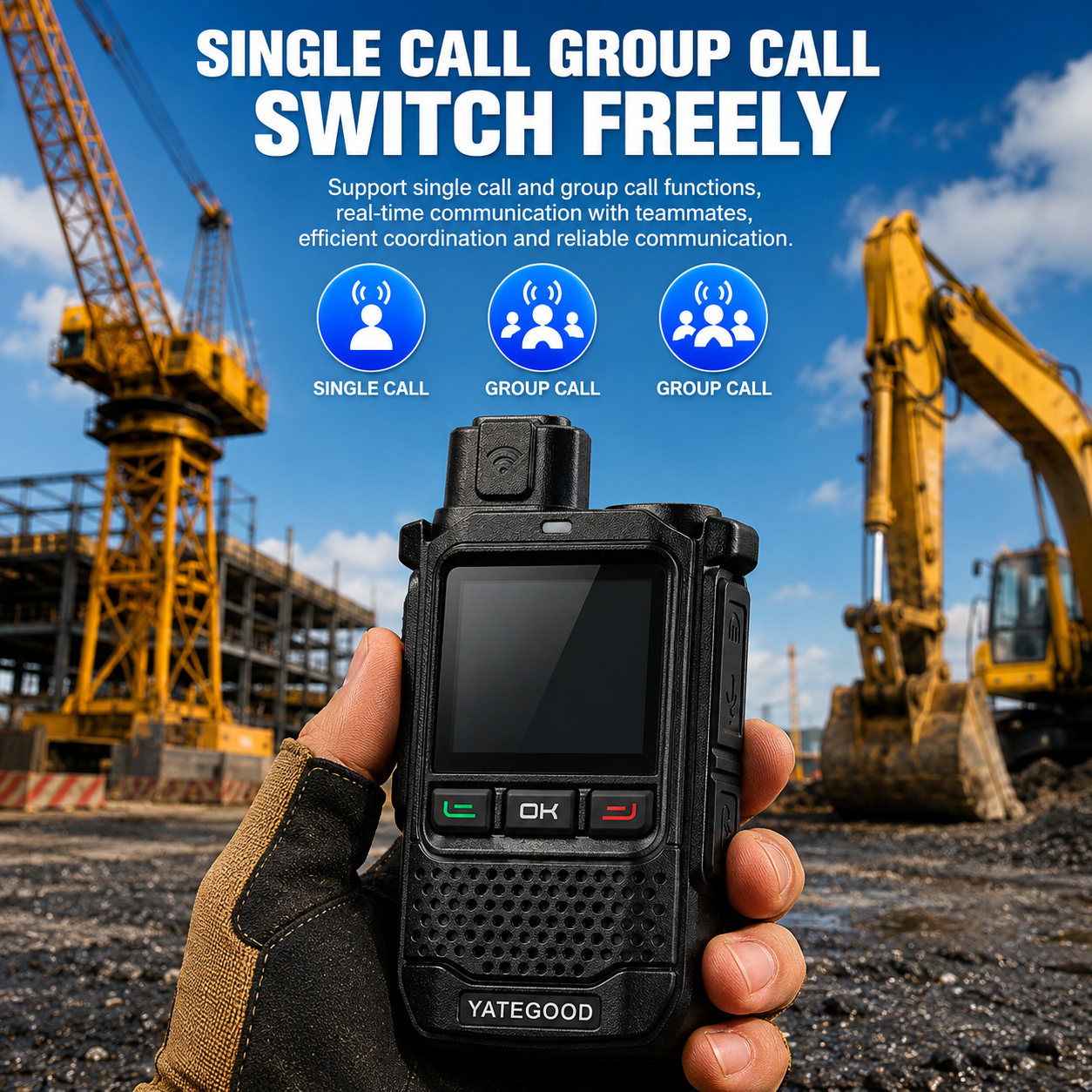
Functional Scenario: Zero-latency communication is crucial. When a convoy is off-roading, real-time road conditions are shared between the convoy and the vehicle ahead. If you're reversing and I see a pothole behind your car from a distance, I can call you on the walkie-talkie, and you can stop. If I were to call you, you'd fall in before the call even connects.
Generally speaking, it's impossible for mobile phones to replace walkie-talkies. However, as users' communication needs become more diverse, traditional single-voice communication functions are insufficient to meet the communication needs of users in various environments. For example, in emergency rescue, wilderness search and rescue, public safety, security and defense, railway inspection and dispatch, water conservancy and reservoir safety patrols, forest fire prevention patrols, and similar fields, these industries require not only multimedia intercom dispatch systems but also ruggedized mobile phones capable of operating in harsh environments.
On the other hand, notable examples include industries like hotel management, property management, express delivery, and logistics terminals. These specialized industries demand diverse, convenient, and rapid information transmission. Therefore, based on the specific needs of different industry users, we support customized development of special functions to enable collaborative operation across various communication modes, including broadband, narrowband, public networks, and private networks, in multiple scenarios. Users experience rich business applications and secure data on a single terminal, allowing them to respond calmly and maintain overall control in critical moments, greatly enhancing customer value. This is the original intention behind Lianhui Communication's long-standing focus on wireless intercom.
Comment
.png?w=1254&h=1254)