Why are walkie-talkies still irreplaceable in the era of mobile phones?
Jul 23,2026 | yategood
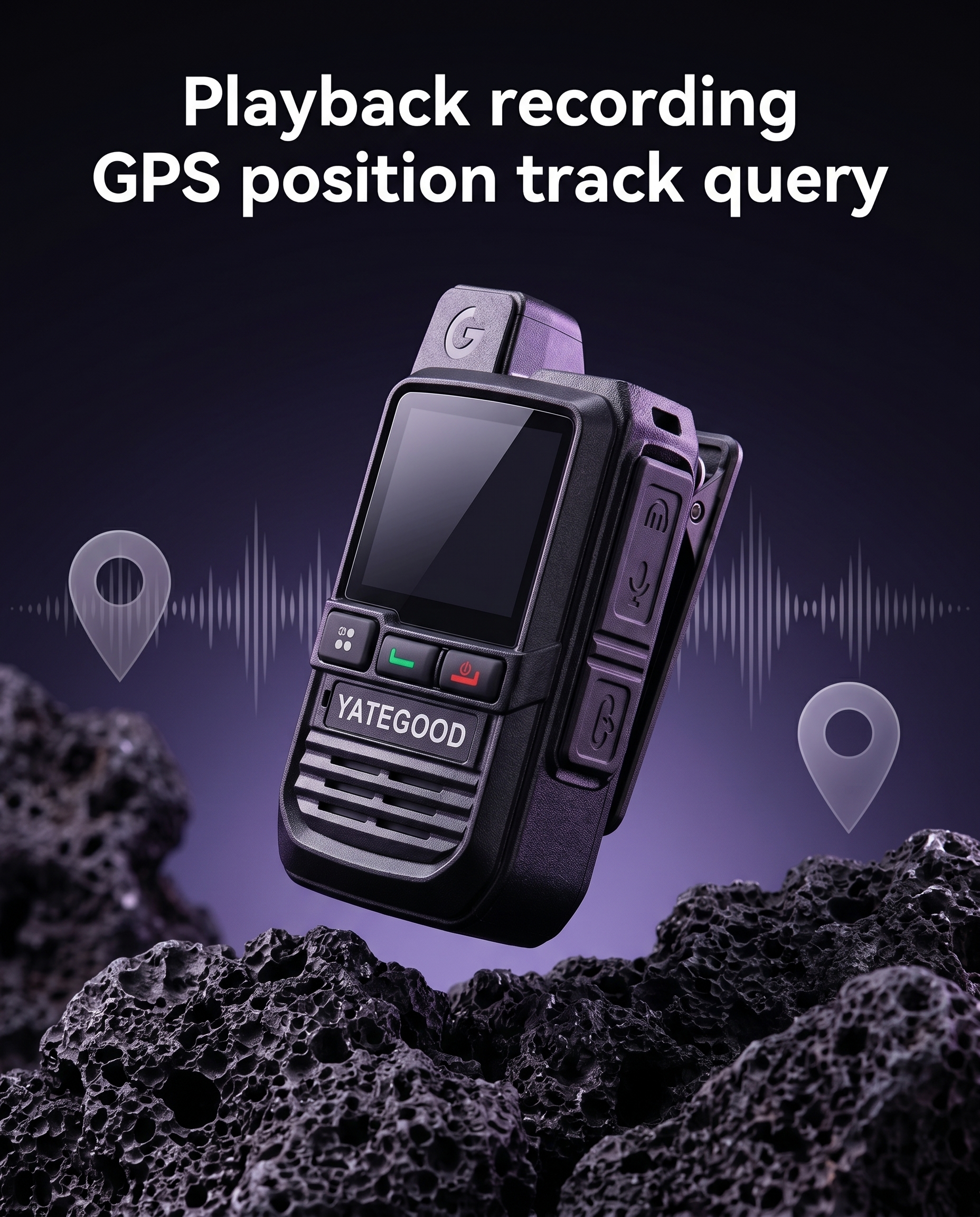
In today's world of ubiquitous smartphones, WhatsApp, voice calls, and video calls have enabled communication across time and space. However, you might notice that walkie-talkies remain active on construction sites, rescue operations, outdoor vehicle fleets, and security patrols. In some scenarios, walkie-talkies are even more popular than mobile phones. This is supported by the unique and robust advantages of walkie-talkies.-3.png?w=1122&h=1402)
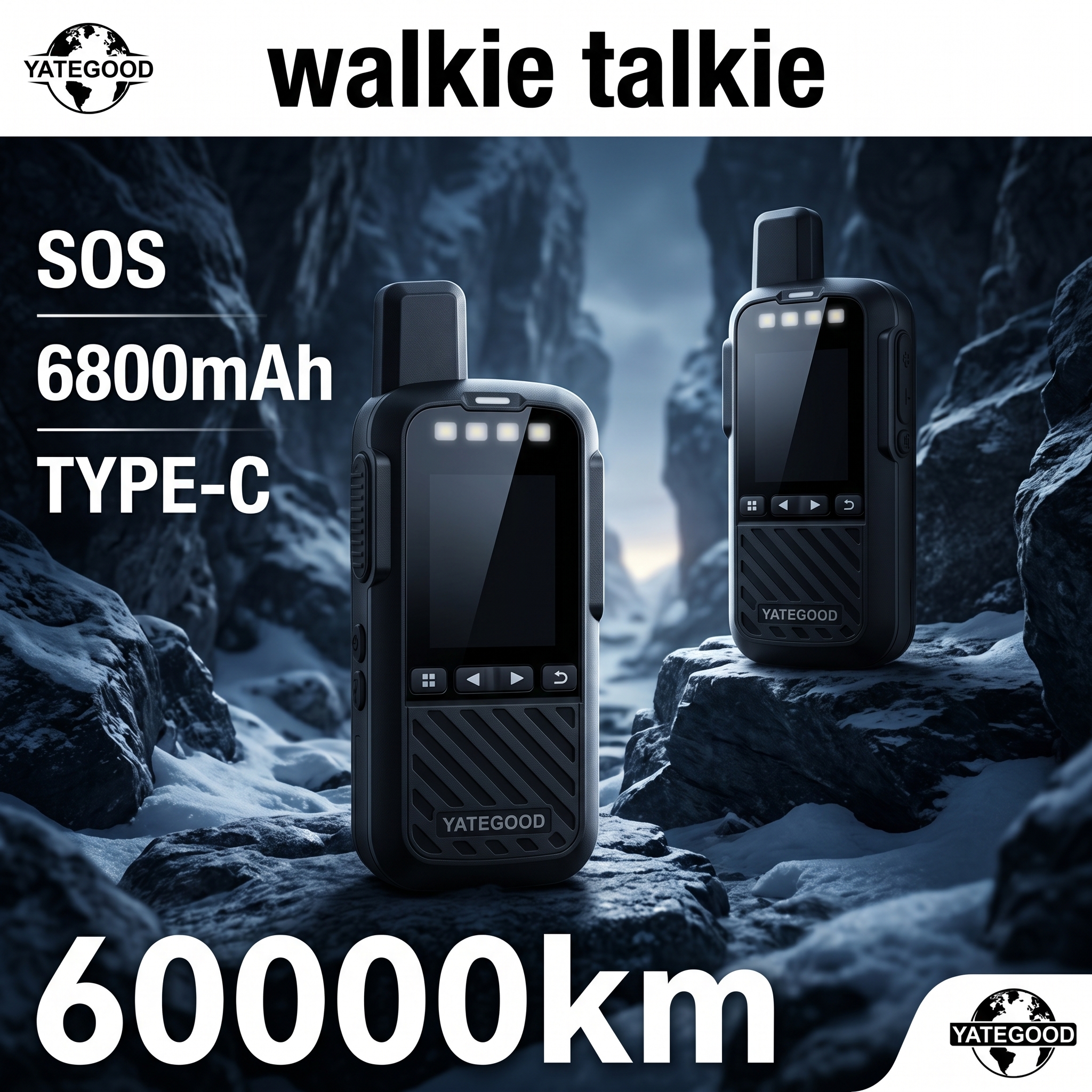
I. Unreliable Communication Without Network Dependence: Walkie-talkies do not rely on mobile phone base stations or public network signals, achieving point-to-point or point-to-many direct communication via radio waves. In areas with no mobile signal (such as deep mountains, underground tunnels, disaster areas) or when the network is congested (such as large event venues or concerts), mobile phones may become unusable, but walkie-talkies can still maintain clear communication, serving as a lifeline for emergency and field communications.
II. Instant Response and Extremely High Communication Efficiency: Walkie-talkies use a "Push-to-Talk" (PTT) mode; press to speak, release to listen, eliminating the need for dialing, waiting for the other party to answer, or waiting for network loading. This extremely simple communication method greatly improves coordination efficiency in emergency dispatching where every second counts (such as fire command and medical rescue) or scenarios requiring rapid response (such as construction site command and convoy movement), achieving "one call, many responses."
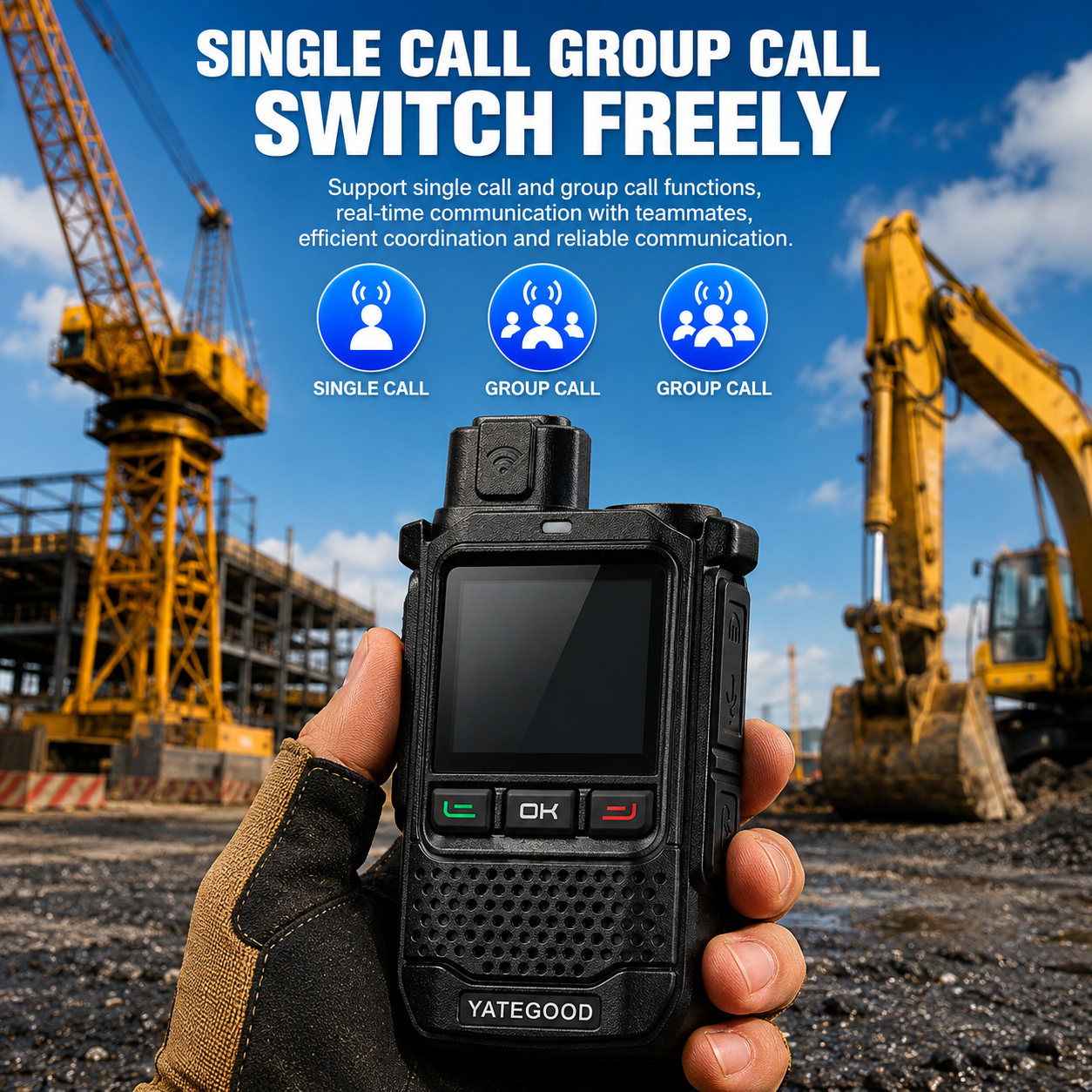
III. Group Communication for More Efficient Collaboration: Walkie-talkies naturally support "one-to-many" group communication; when one person speaks, all members on the same channel can listen simultaneously and instantly. Compared to mobile phones, which require dialing numbers one by one, creating group chats, or waiting for voice to be converted to text, walkie-talkies can achieve zero-delay synchronization of instructions in team collaborations (such as security deployment, event execution, and cross-regional vehicle fleets), avoiding information omissions..png?w=1254&h=1254)
IV. Robust and Durable, Adaptable to Harsh Environments
Designed for complex environments, the walkie-talkie boasts extremely high protection levels (such as IP67/IP68 waterproof and dustproof ratings) and shock resistance, enabling stable operation under harsh conditions such as heavy rain, sandstorms, high temperatures, and low temperatures. Simultaneously, its low-power design provides an exceptionally long battery life (over 20 hours) and replaceable batteries, ensuring uninterrupted communication in disaster areas with power outages or during extended outdoor operations.
V. Extremely Low Cost, Economical and Practical
Walkie-talkie calls are completely free, eliminating the need for expensive data or call charges; only a one-time equipment cost is required. Compared to smartphones, walkie-talkies are extremely easy to operate, requiring no complex system settings and freeing up your hands (supporting shoulder clips and Bluetooth headsets). In scenarios requiring free hands for work (such as chefs serving food or construction site operations), communication and work can be carried out simultaneously.
VI. Strong Confidentiality and High Security Walkie-talkies utilize dedicated frequency bands and digital encryption technology, ensuring relatively private communication and making them difficult to eavesdrop on. This makes them ideal for scenarios with high confidentiality requirements (such as law enforcement, escort missions, and covert operations). Furthermore, professional walkie-talkies feature SOS emergency alarms and fall alarms, enabling rapid distress signals in case of emergencies.
Conclusion Walkie-talkies and smartphones are not mutually exclusive; rather, they each serve specific functions. Smartphones are versatile smart terminals suitable for everyday social interactions and complex communication; walkie-talkies, on the other hand, are highly specialized tools. With their offline communication capabilities, instant response, robust durability, and excellent cost-effectiveness, they firmly safeguard essential communication needs in specific scenarios. Whether responding to emergencies or improving daily team collaboration efficiency, walkie-talkies remain an indispensable communication tool.
Comment