Why are walkie-talkies still indispensable in the age of mobile phones?
Jun 11,2026 | yategood
Behind this seemingly contradictory phenomenon lies the inevitability of technological division of labor. Just as calculators have not disappeared due to the widespread use of smartphones and the intelligence of office software, walkie-talkies have built their own "moat" in specific fields by virtue of their irreplaceable specialized advantages.
A "Communication Bridge" for Group Collaboration
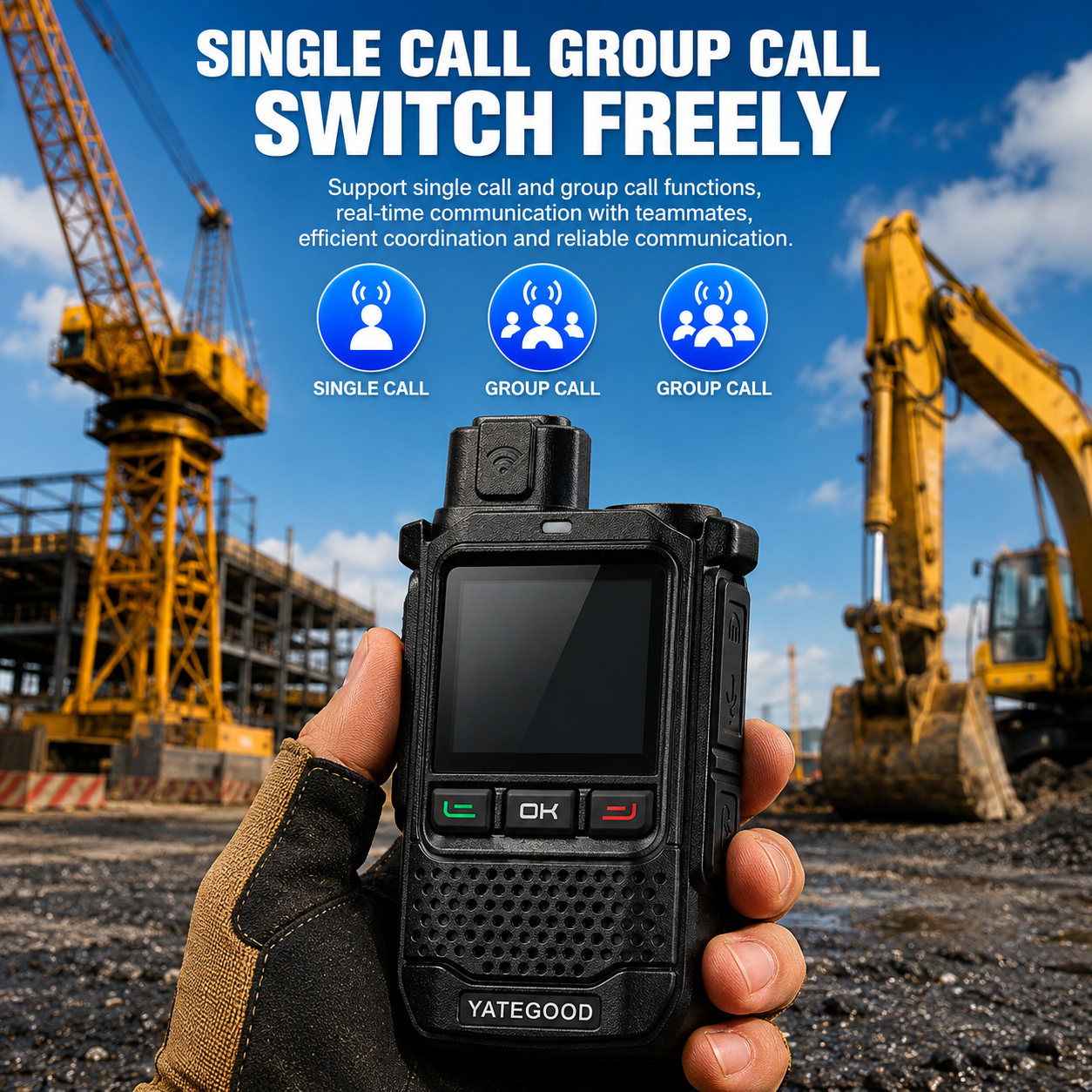
Mobile phones are "point-to-point" social communication tools, while walkie-talkies are the "communication nerves" of the command system:
Real-time Communication: A rescue team leader can call all team members with a single click via walkie-talkie (0.5-second response), countless times faster than sending group messages on WeChat and waiting for replies or making one-on-one phone calls;
Communication Confidentiality: The military, police, and other organizations use encrypted walkie-talkies with dedicated frequencies to achieve strict command chain control, avoiding information overload and leaks that can occur with mobile phone group chats;
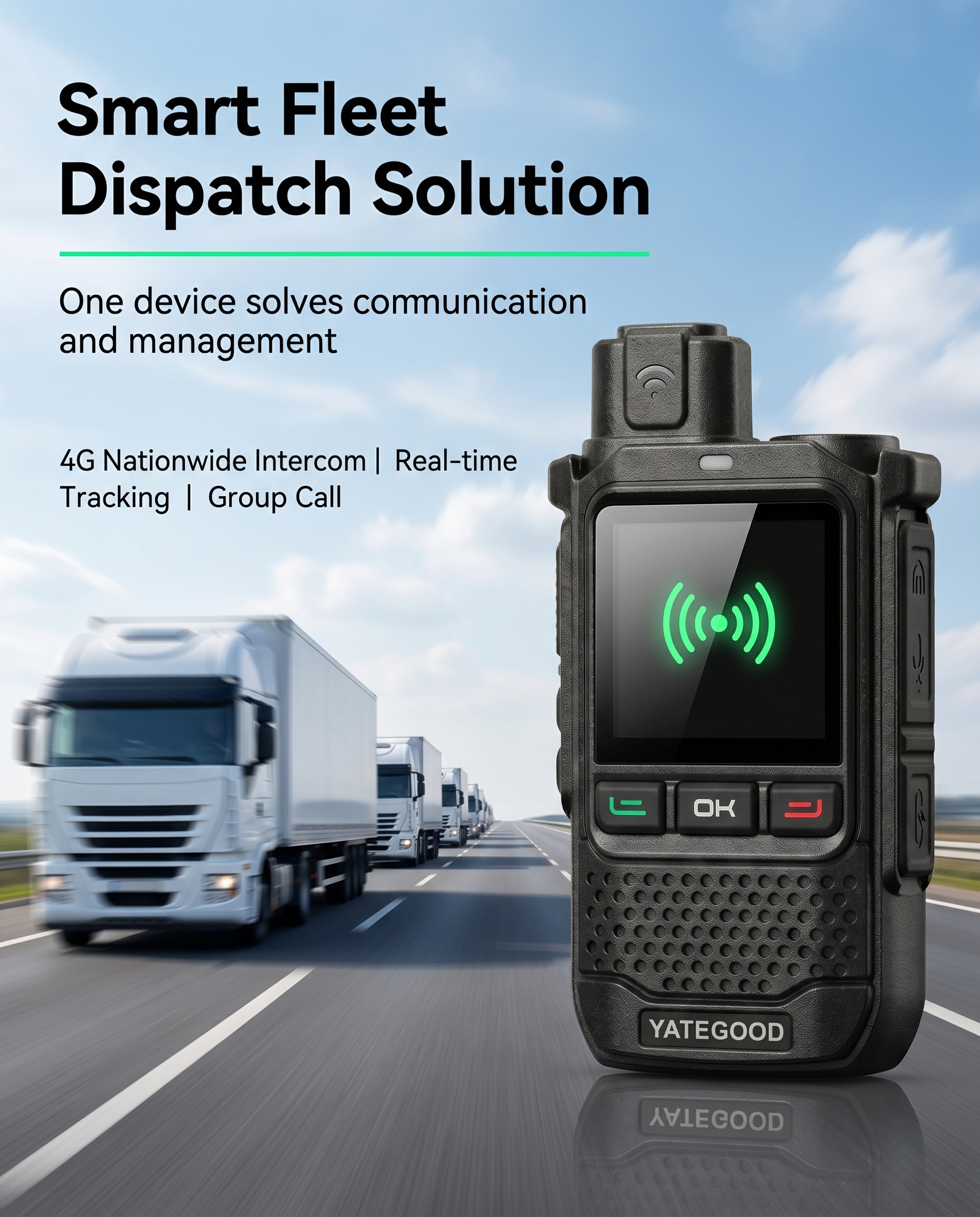
Communication Efficiency: Walkie-talkies use different communication frequencies than mobile phones, making them unaffected by mobile phone signals, especially at large events, preventing security communications from being disrupted by mobile phone signal congestion.
Case Study: The Disneyland operations team uses a dedicated walkie-talkie system to efficiently dispatch 15,000 employees, ensuring the orderly operation of the amusement park.
"Backup Communication" in Extreme Environments
When the mobile network, this "digital communication neural network," fails, the walkie-talkie becomes the last "lifeline electrical signal."
• Disaster Sites: After major disasters such as earthquakes and floods, communication base stations and lines are damaged by external forces, causing base station outages and mobile network interruptions. In these situations, walkie-talkies become the primary communication tool for rescue efforts (e.g., in the initial stages of the 2008 Wenchuan earthquake and the initial stages of the 2021 Henan floods, when base station damage led to communication disruptions).
• Operations in Uninhabited Areas: Maintenance of the Qinghai-Tibet Railway, drilling platforms in the South China Sea, and the Hoh Xil uninhabited area. In remote areas such as those used for scientific expeditions, where cell phone signal coverage and satellite communication are too expensive, walkie-talkies are Cheng Wei's only option for team communication.
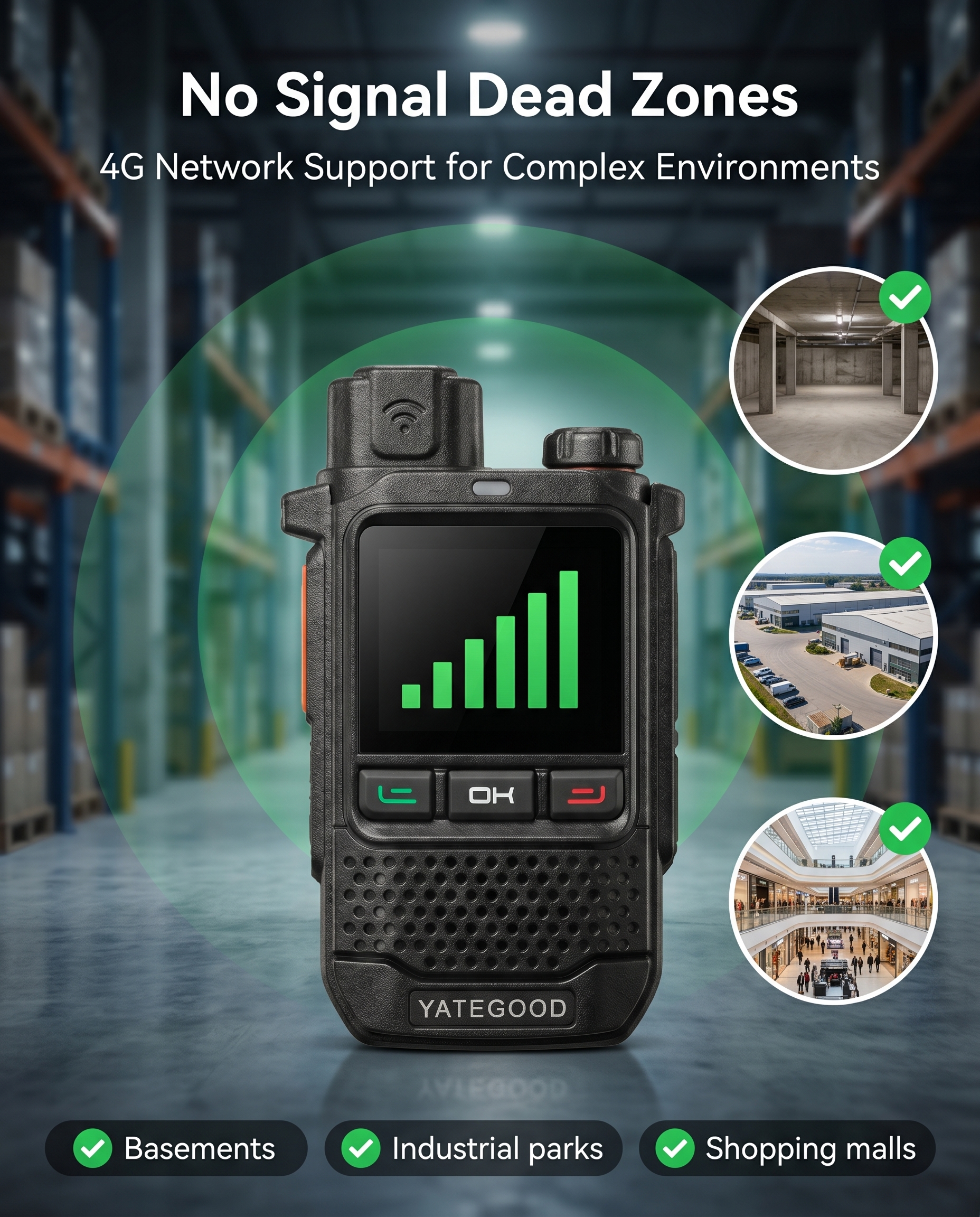
* Underground Spaces: In environments such as mines and tunnels, cell phone signals can be lost due to the power of base stations and the complex underground environment. However, walkie-talkies can still provide effective communication for workers (such as the explosion-proof walkie-talkies mandated for safety in coal mines).
Data Support: According to incomplete statistics from some international rescue organizations, there are over 2,000 cases globally each year of mobile communication base station damage and outages caused by natural disasters.
The "Asymmetry" Between Cost and Reliability
In the communications field, immediacy, coverage, and cost are mutually exclusive, but walkie-talkies offer the optimal solution:
* **Cost per call:** Mobile phone calls cost approximately 0.01-0.2 yuan per minute, depending on the plan, while walkie-talkie calls are free.
* **Coverage distance:** Mobile phone call radius depends entirely on communication base stations (typically less than 5km), while walkie-talkies can achieve a direct connection range of over 15km in open areas (and over 50km when paired with vehicle-mounted or backpack repeaters).
* **System setup cost:** Mobile phones require infrastructure construction by telecommunications operators, while walkie-talkies are ready to use immediately upon purchase or after simple debugging.
The “Redundant Design” of Social Systems
The resilience of modern society relies on multimodal communication backups. According to the laws of engineering, communication systems must retain at least one means of communication that does not rely on electricity/networks, safeguarding the last embers of communication in the event of a collapse in the digital age. This is the underlying logic behind the existence of walkie-talkies.
Comment
.png?w=1254&h=1254)