It turns out two-way radios are so practical—no wonder they haven't been replaced by mobile phones!
Jul 04,2026 | yategood
It turns out two-way radios are so practical—no wonder they haven't been replaced by mobile phones!
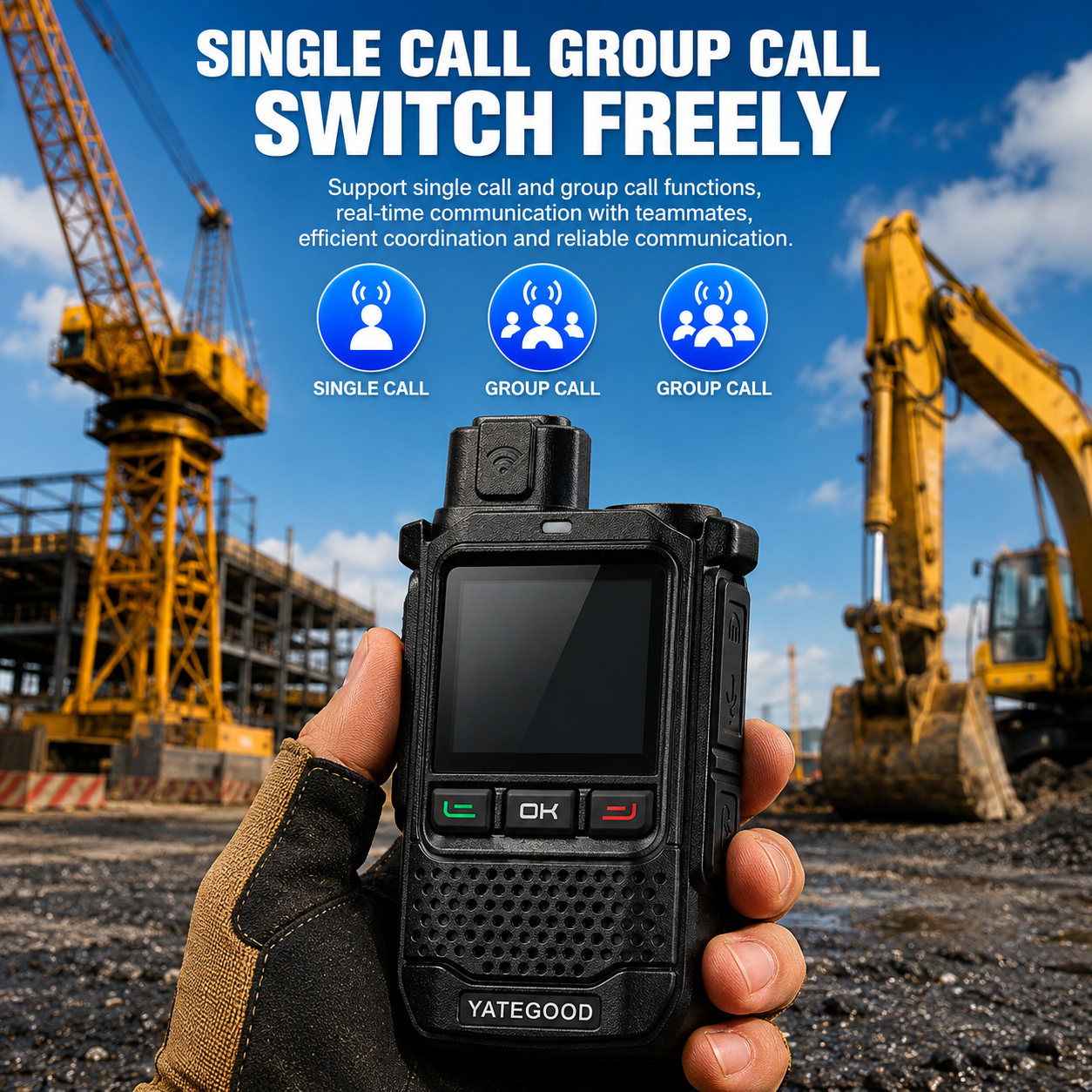
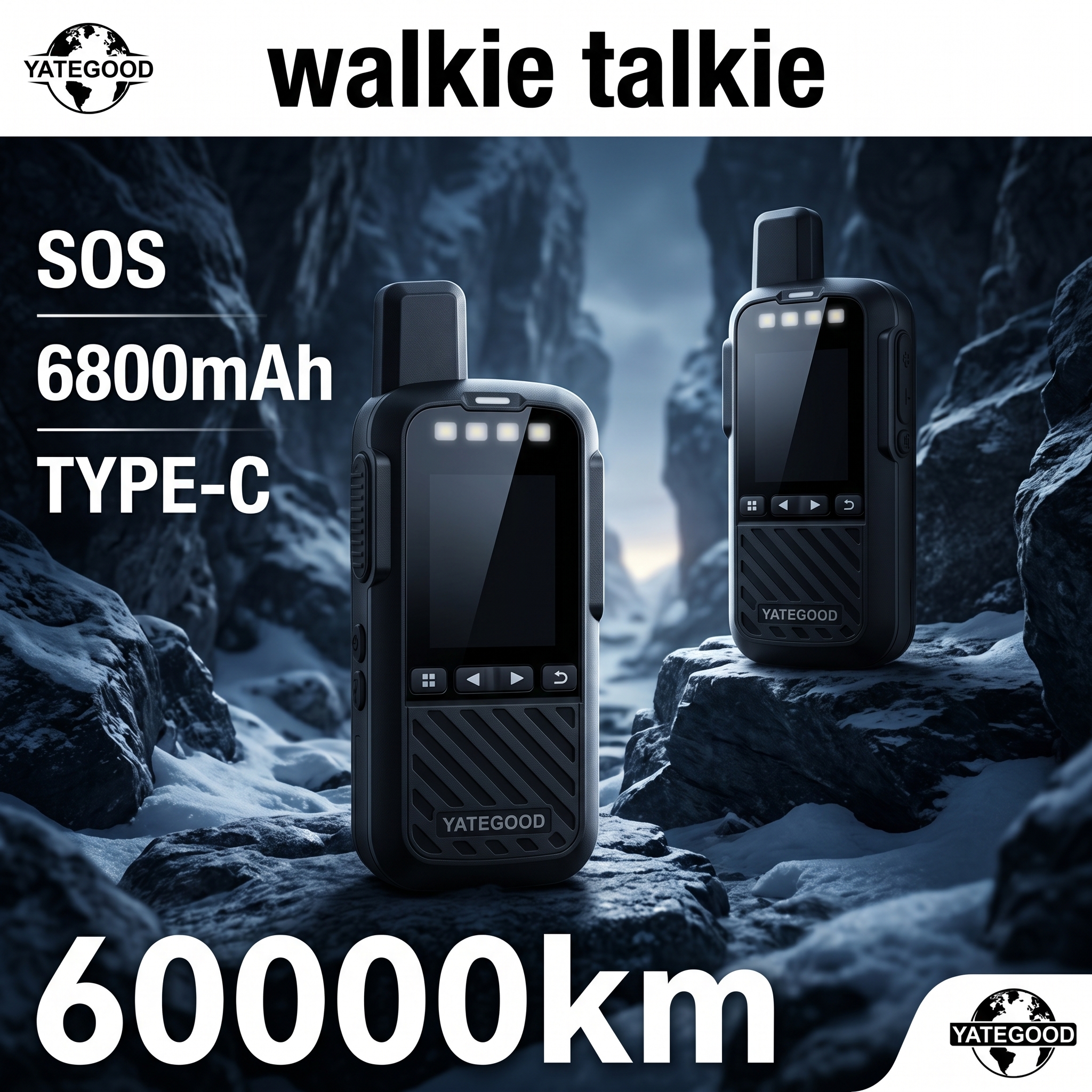
In today's era of mobile communication, we typically rely on mobile phones to stay in touch with others. Yet, in many workplaces, we frequently see staff members using two-way radios. This might make us wonder: why use radios when mobile phones are so much more convenient? In fact, two-way radios offer numerous advantages; let’s take a look at their features.
Mobile phones rely on nearby network base stations to transmit signals and establish connections for calls; if a base station fails or there is no signal, the phone cannot connect, making communication impossible.
In contrast, two-way radios communicate via radio signals and do not require network base stations; as long as the devices are tuned to the same frequency, communication can take place without being restricted by mobile network infrastructure. Even in mountainous areas where mobile phones lose signal, two-way radios can still transmit and receive independently, operating without reliance on public networks—a convenient capability that mobile phones cannot replicate.
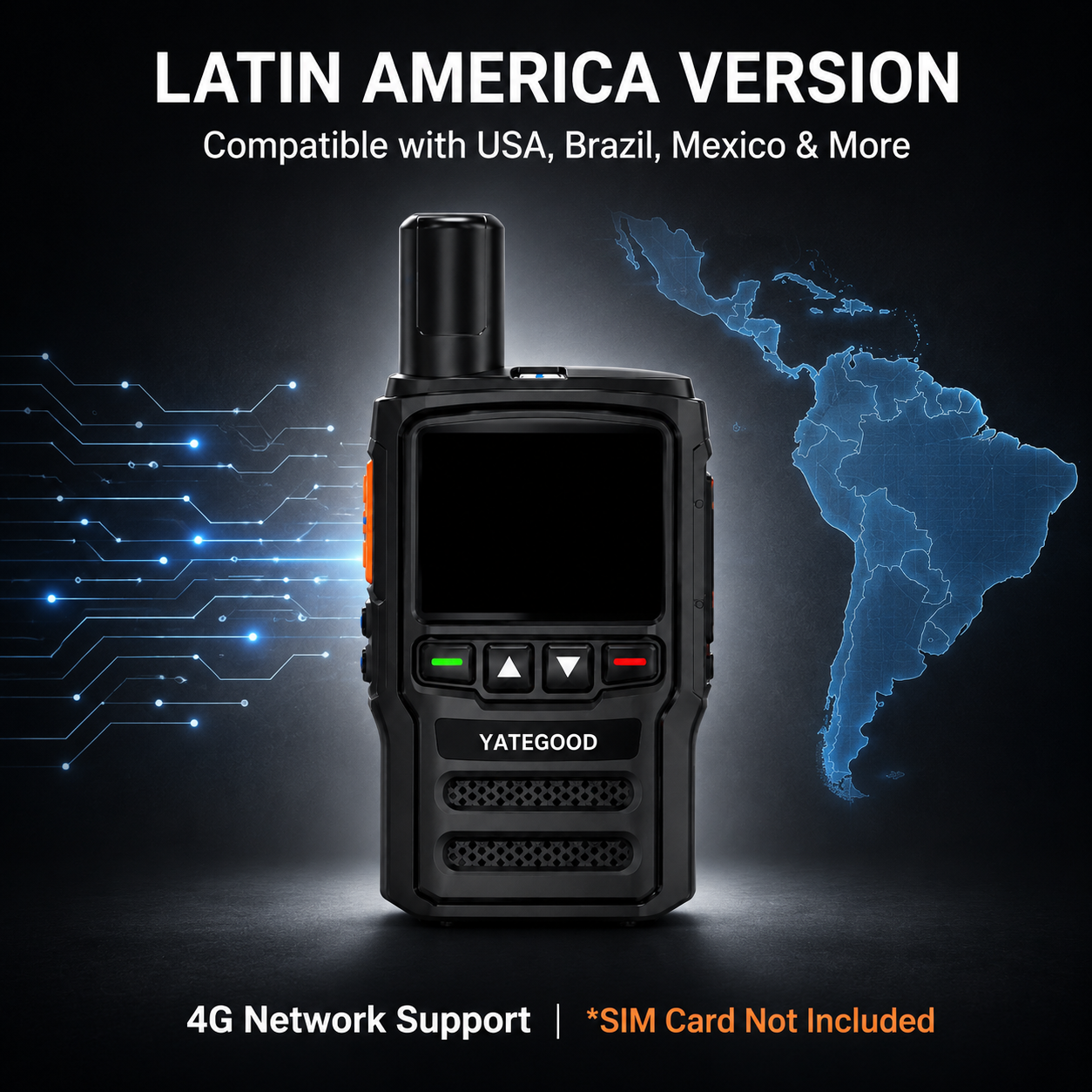
Two-way radios offer many other advantages as well; for instance:
1. Mobile phones rely on base stations for support; in the event of a natural disaster or in areas without signal coverage, they become unusable—serving merely as a piece of technology without the ability to fully demonstrate their functionality.
2. Two-way radios feature relatively small screens and offer exceptionally long standby times, making them highly energy-efficient. Mobile phones, however, do not compare favorably in this regard; they typically utilize large, full-screen color displays and, despite spending significant periods in standby mode, are not as efficient in their power consumption as two-way radios.
With two-way radios, the moment the connection is established, the other party can hear exactly what you are saying as soon as you speak; in contrast, an emergency requires making a phone call to convey the situation. Connecting a mobile call takes time—and if your balance happens to be under ten yuan, you might have to listen to ten seconds of automated customer service messages before the call even goes through. Furthermore, the other person still needs to answer the phone before you can explain the emergency. This entire process wastes precious seconds, making mobile phones far less practical than two-way radios in life-or-death situations.
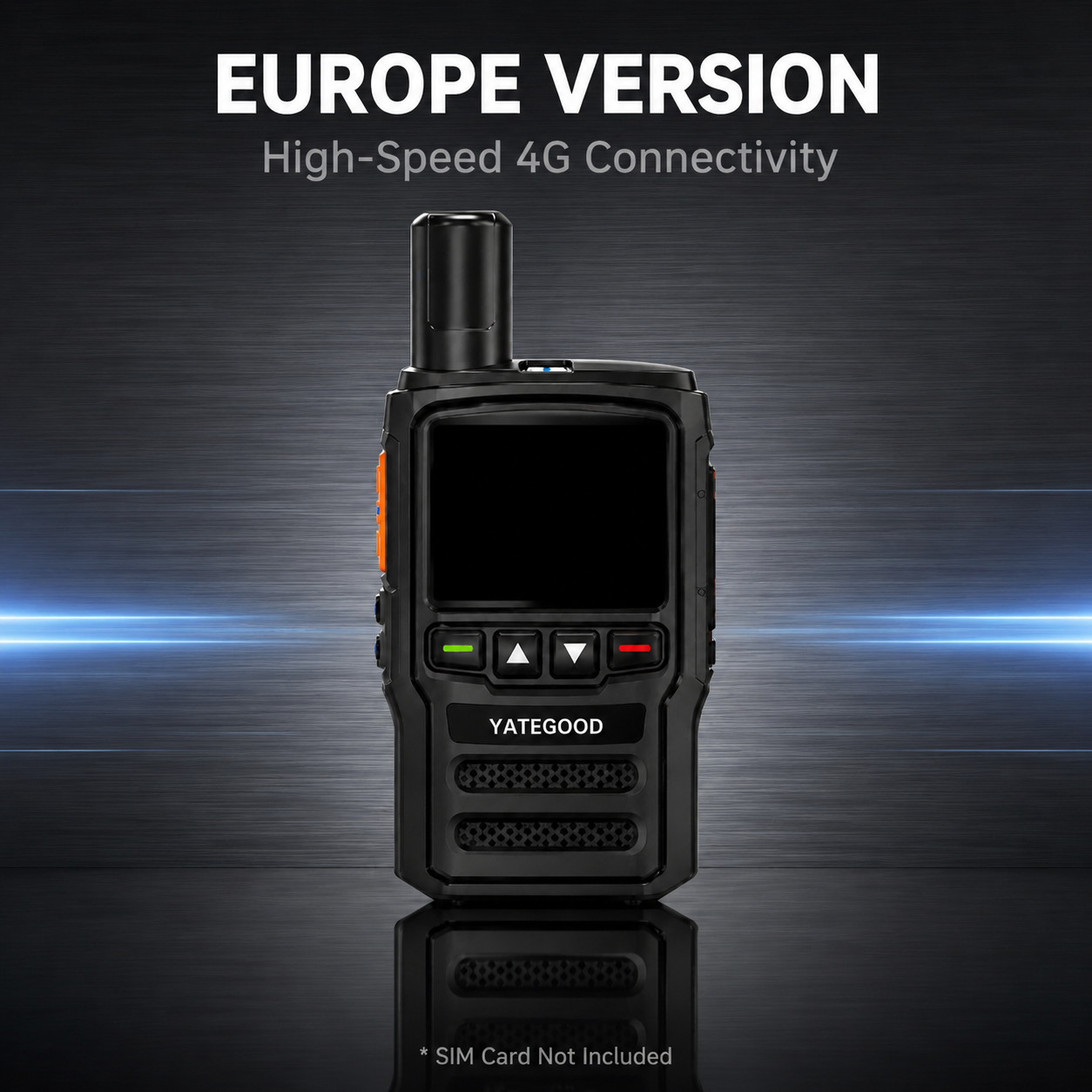
In routine operations and law enforcement activities, we frequently see personnel using two-way radios; these devices are affordable, practical, and highly suitable for the task. Their advantages include low operating costs and the ability to communicate over long distances. In contrast, voice calls often rely on mobile data connections, making two-way radios the ideal choice for professional use.
Comment
.png?w=1254&h=1254)