How important is having a walkie-talkie outdoors? Do you know these basic radio facts?
Jun 27,2026 | yategood
How important is having a walkie-talkie outdoors? Do you know these basic radio facts?
Walkie-talkies have become a common communication tool in many industries today. They have wide applications in various situations, so we should learn more about them. Many people also use walkie-talkies while traveling. Next, let's learn about choosing an outdoor walkie-talkie, which is essential knowledge we must understand.
Walkie-talkies are emergency communication devices, a type of wireless equipment. Amateur radio enthusiasts need to hold a nationally issued license and an international call sign.
All amateur radio enthusiasts worldwide are called "home radio operators" (HAMs), a term used by radio enthusiasts. Those without a formal call sign and radio license are often called "sausages" (or "hams").
Outdoors, the most common use is with analog handheld walkie-talkies. Therefore, this article will focus on the relationship between handheld walkie-talkies and outdoor activities.

How to Choose a Suitable Handheld Walkie-Talkie for Outdoor Enthusiasts
For outdoor enthusiasts, choosing a suitable handheld walkie-talkie for outdoor activities is crucial. Here are some suggestions to help you find the right equipment:
1. For those with a higher budget: If your budget allows, consider imported brands such as Japanese brands (Yaesu, Kenmu, ICOM) or American brands (Motorola). These brands are specifically designed for outdoor use and feature waterproof and shockproof characteristics. Prices range from a little over a thousand to over three thousand yuan, allowing you to choose according to your personal preferences.
2. Entry-level Options: For general outdoor use, domestic brands offer cost-effective options. Brands with nationally approved network access licenses, such as Hytera, Beifeng, Lingtong, Teyitong, and Quansheng, are good choices. Prices range from around 200 to 300 yuan, suitable for entry-level users.
3. Adjustable Power and Voice Control: Consider choosing a walkie-talkie with adjustable power, typically between 1W and 5W, adjustable according to the actual usage environment and needs. Additionally, walkie-talkies with voice control can free your hands during outdoor activities like climbing; simply speak to transmit a signal, and the effect is even better when used with a headset.
4. Network Access Certificate Registration: Choose a walkie-talkie with a network access certificate to ensure it has passed national registration and inspection. This may make it easier to pass the verification process when applying for a radio station license in the future.
In general, choosing a handheld walkie-talkie that matches your needs and budget is crucial. Before purchasing, carefully compare the features of different brands and models to ensure the chosen device perfectly meets the actual needs of outdoor activities.
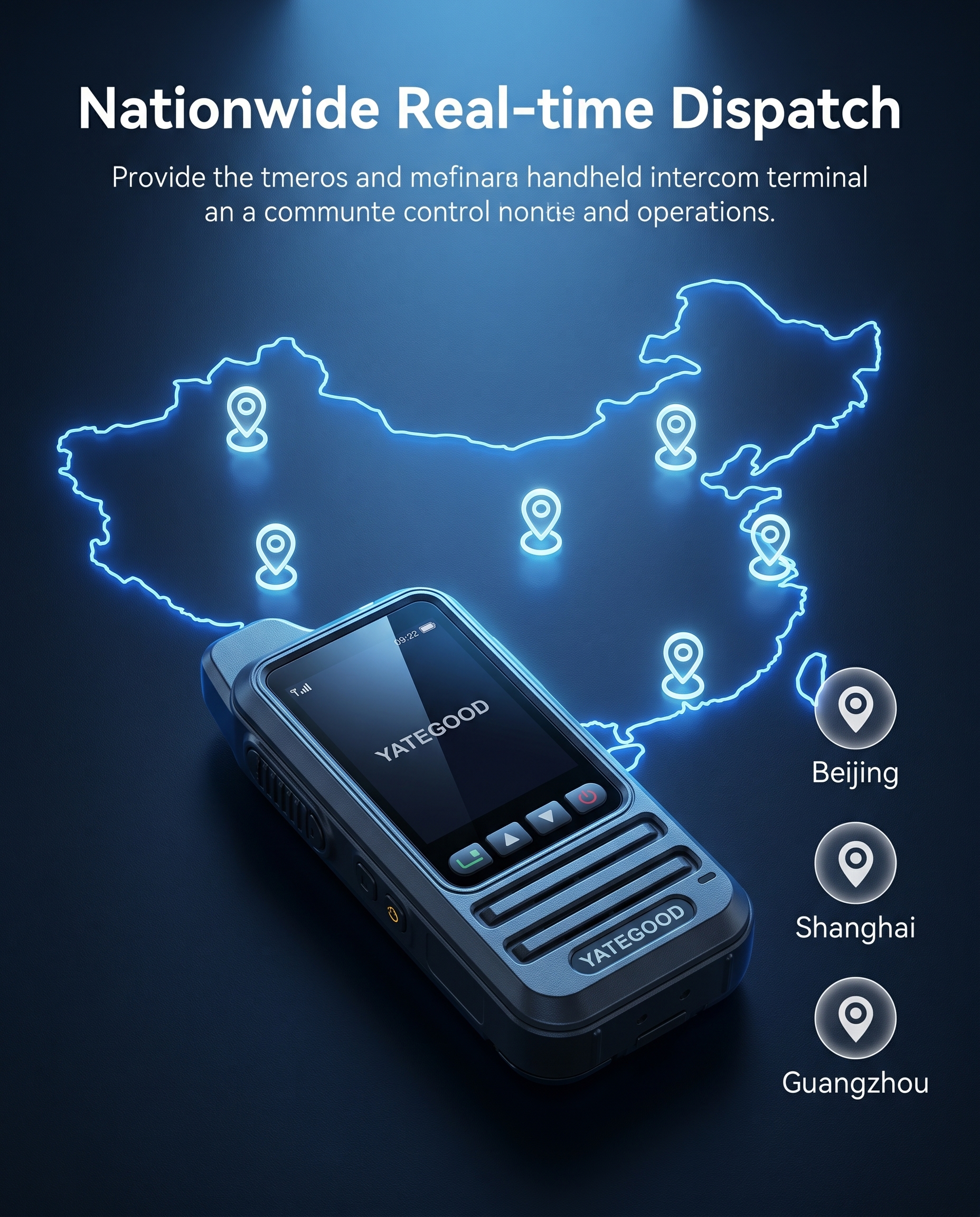
Common Frequency Allocations for Walkie-Talkie:
In China, walkie-talkie frequencies are allocated according to the regulations of the State Radio Regulatory Commission, mainly falling into the following ranges:
Professional Walkie-Talkies: V-band (136-174MHz) and U-band (400-470MHz)
Frequencies used by the Armed Police and Public Security: 350-390MHz
Coastal Communication Frequency: 220MHz
Traffic Light Monitoring and Air Raid Siren Frequency: 223.025-235MHz
Amateur Walkie-Talkie Frequency: 433MHz
Trunking Communication Frequency: 800MHz
Mobile Phone Communication Frequency: 900MHz/180MHz
Understanding these frequency allocations helps ensure the equipment is used legally within the prescribed scope when selecting a walkie-talkie. Simultaneously, selecting a walkie-talkie in the appropriate frequency band based on actual needs ensures communication effectiveness and compliance.
Basic Knowledge of Walkie-Talkie Use
Walkie-talkies are a common communication tool. Based on their purpose and nature, they can be divided into three types: professional walkie-talkies, civilian walkie-talkies, and license-free walkie-talkies. 1. Professional Radio:
Transmit power range: 0.3-5W, adjustable.
Features: Robust, durable, long battery life, relatively large size.
Usage: Professional radios typically operate within professional frequency ranges and are generally not easily moved, making them suitable for outdoor, harsh environments, and team use.
Functions: Powerful internal functions, enabling networking, intra-group communication, digital communication, ID identification, and remote interlocking.
2. Civilian Radio:
Transmit power range: 0.3-5W, adjustable.
Features: Powerful external functions, possessing the functions of a professional radio and more auxiliary functions, usable as a radio.
Usage: Can transmit and receive in the amateur frequency range of 150MHz and 400MHz.
Functions: Rich auxiliary functions, compact size, popular among amateur radio enthusiasts worldwide.
3. License-Free Radio:
Frequencies: 20 frequencies, primarily 409MHz, are license-free. Features: No application is required to use this frequency; it can be used freely, but the transmission power is strictly limited and must not exceed 0.5W.
Application Scope: Suitable for situations where no special license is required, but power restrictions must still be followed.
Precautions: The use of radio frequencies is regulated by national regulations; illegal use may be punished.
When selecting a walkie-talkie, it is necessary to choose appropriately based on actual needs and the usage environment to ensure that communication requirements are met in different situations. At the same time, understanding the legal use and regulations of frequencies is crucial to avoid problems caused by illegal use.
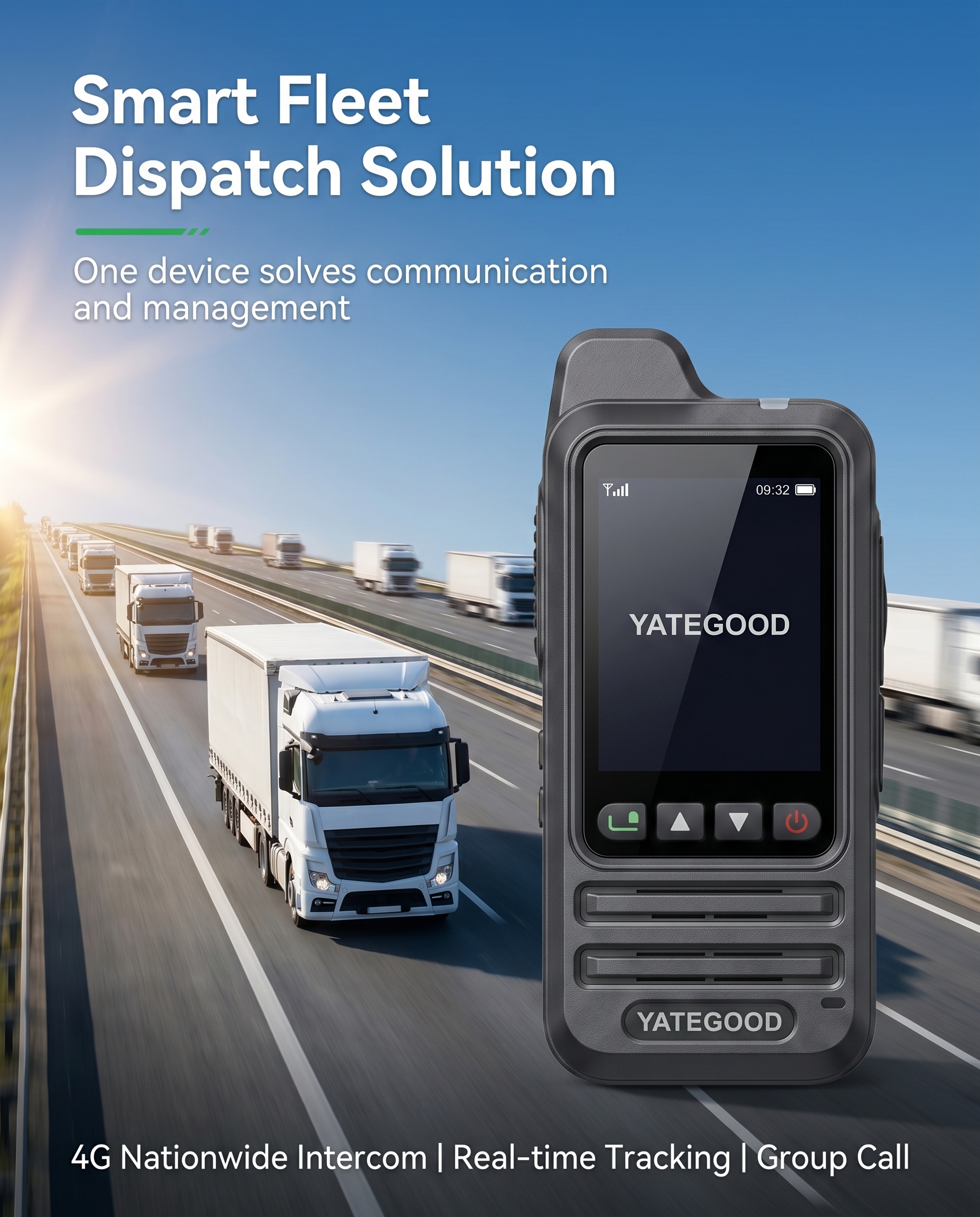
Walkie-Talkie Communication Distance Explained
The communication distance of a walkie-talkie is not a simple number, and the common question of "how far?" often involves some misunderstandings. Here's an explanation of the concept of walkie-talkie communication distance:
Frequency and Line-of-Sight Propagation:
Walkie-talkies use line-of-sight propagation frequencies, meaning the communication range is limited to a straight line of sight. Under ideal conditions, a walkie-talkie can communicate as long as the eye can see it.
Power and Antenna:
Transmitting power and antenna quality affect communication distance. Generally, higher power and a better antenna will increase the communication range.
Terrain and Obstacles:
Terrain and obstacles affect the propagation of walkie-talkie signals. In flat areas, the communication distance may be longer; while in urban areas or areas with many obstacles, the communication distance may be shorter.
Actual Communication Distance:
Actual communication distance is often affected by a variety of factors, including equipment quality, environmental conditions, and electromagnetic interference. Therefore, walkie-talkie manufacturers usually provide a "theoretical maximum distance," but the actual distance in use may vary.
Safety and Convenience:
The use of walkie-talkies in outdoor activities places greater emphasis on safety and convenience. Compared to mobile phones, walkie-talkies are more suitable for activities such as hiking, trekking, and road trips because of their instant communication and simple operation, eliminating the need for dialing or searching for contacts.
In general, the communication range of a walkie-talkie should not be simply understood as a static value, but rather as a dynamic concept influenced by many factors. When selecting and using a walkie-talkie, actual needs, environmental conditions, and equipment characteristics should be comprehensively considered to ensure stable and reliable communication.
Four Major Benefits of Walkie-Talkies
Using walkie-talkies offers numerous benefits for internal organizational and team communication. Here are four key advantages:
1. Convenience:
Walkie-talkies within an organization operate on the same frequency, enabling one-to-many communication. When one walkie-talkie initiates a call, the others quickly receive the information, facilitating rapid intra-team communication.
2. Speed:
Walkie-talkies provide a fast way to disseminate information, aiding in internal command and dispatch. Through walkie-talkies, team members can respond and execute tasks quickly, achieving close internal communication and improving work efficiency.
3. Economy:
Walkie-talkie communication incurs no additional call charges, making it particularly suitable for scenarios with frequent internal communication. Compared to mobile phones, walkie-talkies reduce communication costs and save organizational expenses.
4. Freedom:
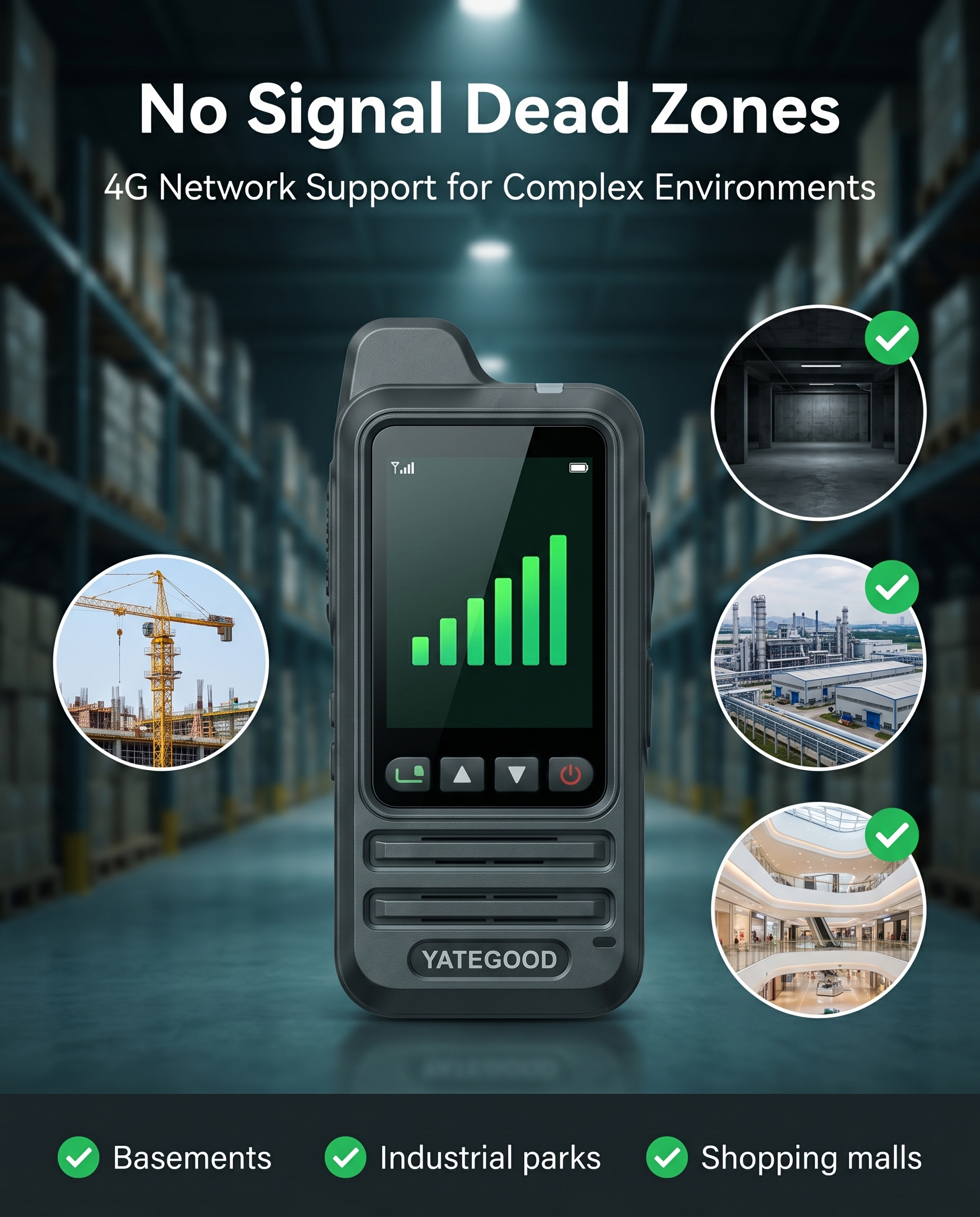
Walkie-talkies do not rely on network support, allowing for free communication anytime, anywhere via buttons. Walkie-talkies play a significant role in scenarios such as outside the city, in suburbs, on vacation, or during engineering operations, especially in environments without network coverage. Compared to mobile phones, walkie-talkies offer greater autonomy and independence.
Compared to mobile phones, walkie-talkies have advantages in communication reliability, flexibility, and cost, making them a more suitable communication tool, especially in work scenarios requiring rapid and centralized command.
The Importance of Handheld Walkie-Talkies in Group Travel
In group travel, especially with large groups, handheld walkie-talkies become an absolutely essential communication tool, crucial in several ways:
1. Real-time Information Transmission:
The team leader can use a handheld walkie-talkie to instantly report road conditions and provide navigation guidance, ensuring the entire team quickly receives the latest information and maintains orderly progress.
2. Efficient Coordination and Discussion:
When rest is needed, itinerary discussions are required, or unexpected situations need to be handled, walkie-talkies facilitate rapid coordination and discussion within the team. Compared to making individual phone calls, handheld walkie-talkies are much more convenient and faster.
3. Unified Communication System:
Walkie-talkies establish a unified communication system, making information transmission within the team more efficient. Lacking a unified radio system is like being without eyes and ears; walkie-talkies become an indispensable tool for team communication.
4. Emergency Rescue:
In environments such as remote mountainous areas where cell phone signals are unstable, walkie-talkies become vital rescue tools. By sending distress signals via walkie-talkie and utilizing local amateur repeaters, assistance can be sought from HAMs (Helpers and Aid Service) personnel to achieve emergency rescue.
Overall, handheld walkie-talkies play a crucial role in group outings, providing convenience and assurance for teamwork and safe, orderly progress.
If you get lost, ask for directions at a repeater station; nearby hamsters will help you find your way.
Walkie-Talkie Usage Precautions
To ensure effective communication and user safety when using a walkie-talkie, please note the following:
1. Transmitting Posture and Distance:
When transmitting, keep the walkie-talkie vertical and ensure the microphone is 2.5-5 cm from your mouth. Keep the walkie-talkie at least 2.5 cm away from your head or body to prevent radiation exposure.
2. Power On/Off Operation:
Perform the correct power-on and power-off procedures. Adjust the volume to a comfortable level for clear communication.
3. Frequency Selection Precautions:
Use the 200-240 MHz frequency range with caution, as this band may be affected by jamming devices. Pay special attention to the 300-400 MHz police frequency band to avoid interfering with communications from relevant departments.
4. Repeater Assistance:
When lost or needing help, you can use the repeater on your walkie-talkie to request assistance from nearby HAMs (Hosts and Assistants). HAMs will typically provide route guidance and problem-solving assistance.
5. Factors Affecting Walkie-Talkie Communication Distance:
Walkie-talkie communication distance is affected by many factors, including terrain, buildings, and electromagnetic interference. These factors should be considered when selecting communication frequencies and the operating environment to achieve optimal communication performance.
Overall, proper usage methods and precautions can ensure the safe and effective use of walkie-talkies and guarantee smooth communication.
Factors Affecting Walkie-Talkie Communication Distance
When using a walkie-talkie, the communication distance is affected by several factors, which can be categorized as follows:
1. System Parameters:
Transmitter Output Power: Higher output power results in a wider signal coverage and greater communication distance. However, excessively high transmission power can lead to increased battery consumption, enhanced interference, and radiation pollution.
Receiver Sensitivity: Higher receiver sensitivity results in a longer communication distance because it better captures weak signals.
2. Environmental Factors:
Path and Tree Density: Terrain and vegetation density affect signal propagation and hinder signal coverage.
Electromagnetic Interference: Electromagnetic interference in the surrounding environment affects signal quality and reduces communication distance.
Buildings: Large buildings may block the signal and reduce communication distance.
Weather Conditions: Severe weather conditions, such as rain, snow, and thunderstorms, can also affect signal propagation.
3. Other Influencing Factors:
Battery Power: Sufficient battery power results in better call quality. Low battery power may lead to decreased call quality and noise.
Antenna Matching: The antenna frequency band must match the machine's frequency band; mismatch will severely affect communication range.
4. Audio Quality:
Audio quality depends on parameters such as pre-emphasis and de-emphasis circuits. Advanced voice processing and companding circuits can improve call quality and clarity.
In general, to achieve optimal walkie-talkie communication performance, these factors need to be considered comprehensively, and appropriate adjustments made during actual use.
Comment
.png?w=1254&h=1254)