Why haven't walkie-talkies been phased out in the 5G era?
Jun 14,2026 | yategood
Communication methods have become incredibly diverse, and we are even heading towards the 6G era, with communication capabilities vastly different from what they used to be. Communication equipment is also incredibly varied.
However, we find that the traditional walkie-talkie hasn't been phased out. Even with the increasing prevalence of 5G-based public network walkie-talkies and the ubiquitous WeChat, the walkie-talkie market remains robust.
Moreover, the number of walkie-talkie companies isn't decreasing; on the contrary, it's increasing. In recent years, domestic walkie-talkie companies have also shown a trend of growing larger and larger. Why is this?
Offline Mode: Walkie-talkies support offline communication, also known as network-free communication. This allows communication without relying on any public network or base station, which is crucial in emergency situations, rescue operations, or in remote, wilderness areas. No other method offers this level of convenience.
PTT Mode: The walkie-talkie uses a PTT (Push-to-Talk) communication mode; simply press and hold to speak. This communication method is extremely simple, and anyone can learn to use it without training. There are no complicated or cumbersome operating steps; simply press and hold to speak, and release to listen.
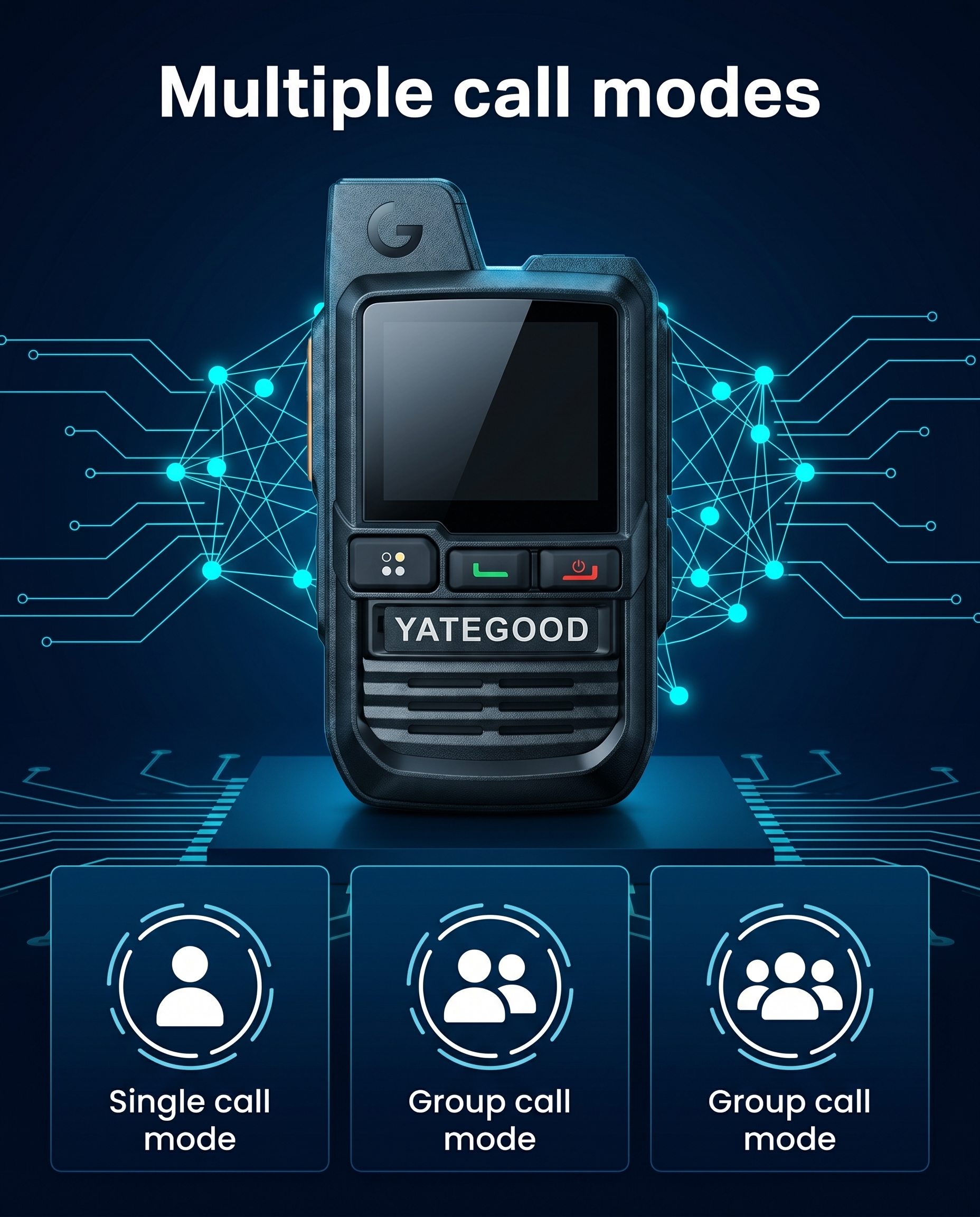
One call, many responses: Walkie-talkies offer one-to-many communication. For example, mobile phones use point-to-point communication, and achieving multi-party calls in a conference call requires specialized system support. Walkie-talkies, however, use half-duplex communication; one person speaks, and everyone on the same channel can hear, covering most industry communication requirements and scenarios.
Walkie-talkies have a very comprehensive product positioning, a wide variety of formats, and prices ranging from tens of yuan to tens of thousands of yuan. Different industries have different functional characteristics, and walkie-talkies can provide matching products for each.
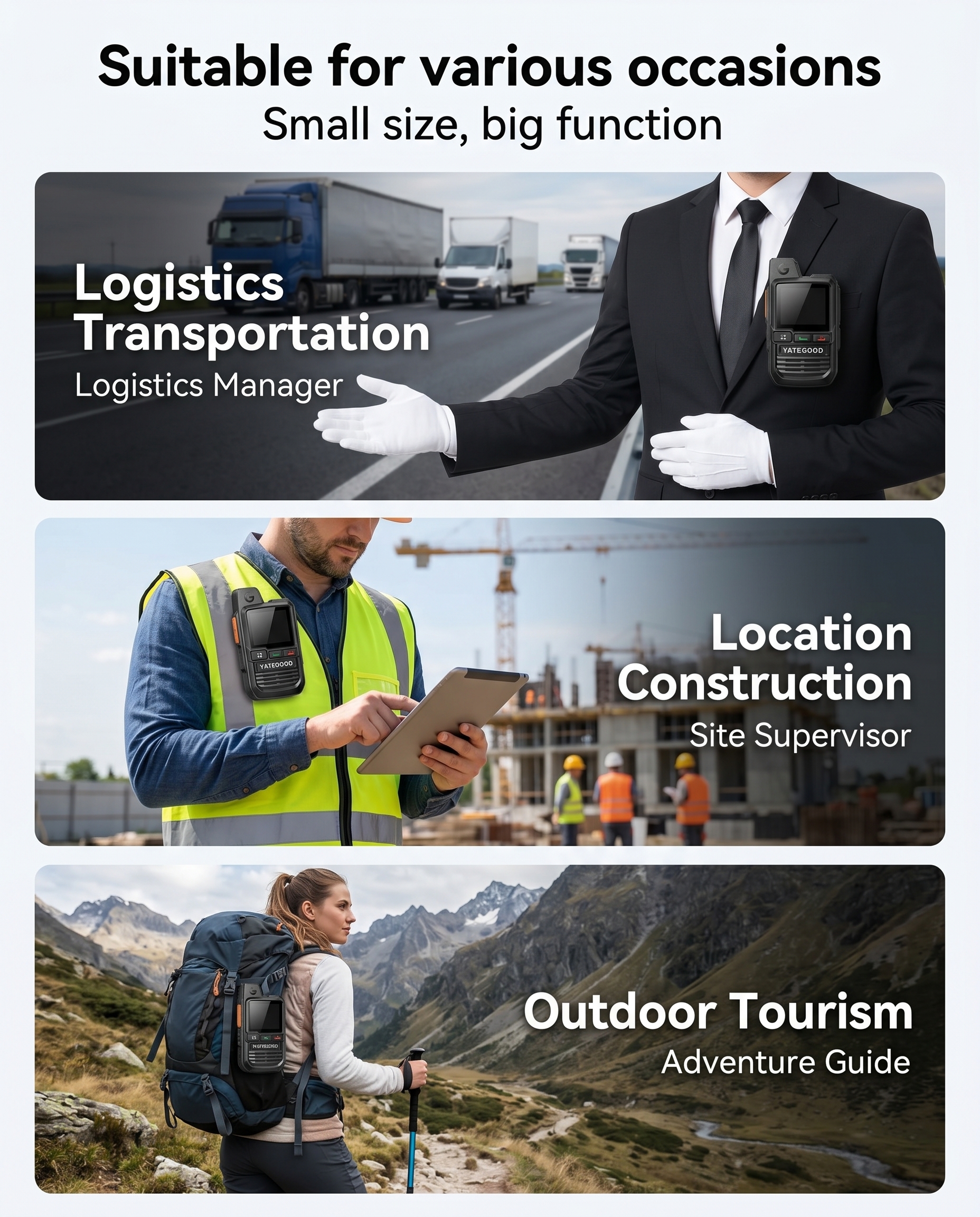
Public safety and emergency rescue: This is the "core territory" of walkie-talkies. Police, firefighters, and emergency personnel need absolutely reliable "life-saving tools." During large-scale events, mobile phone signals often become paralyzed due to base station overload, while walkie-talkies' independent networking capabilities ensure uninterrupted dispatch commands.
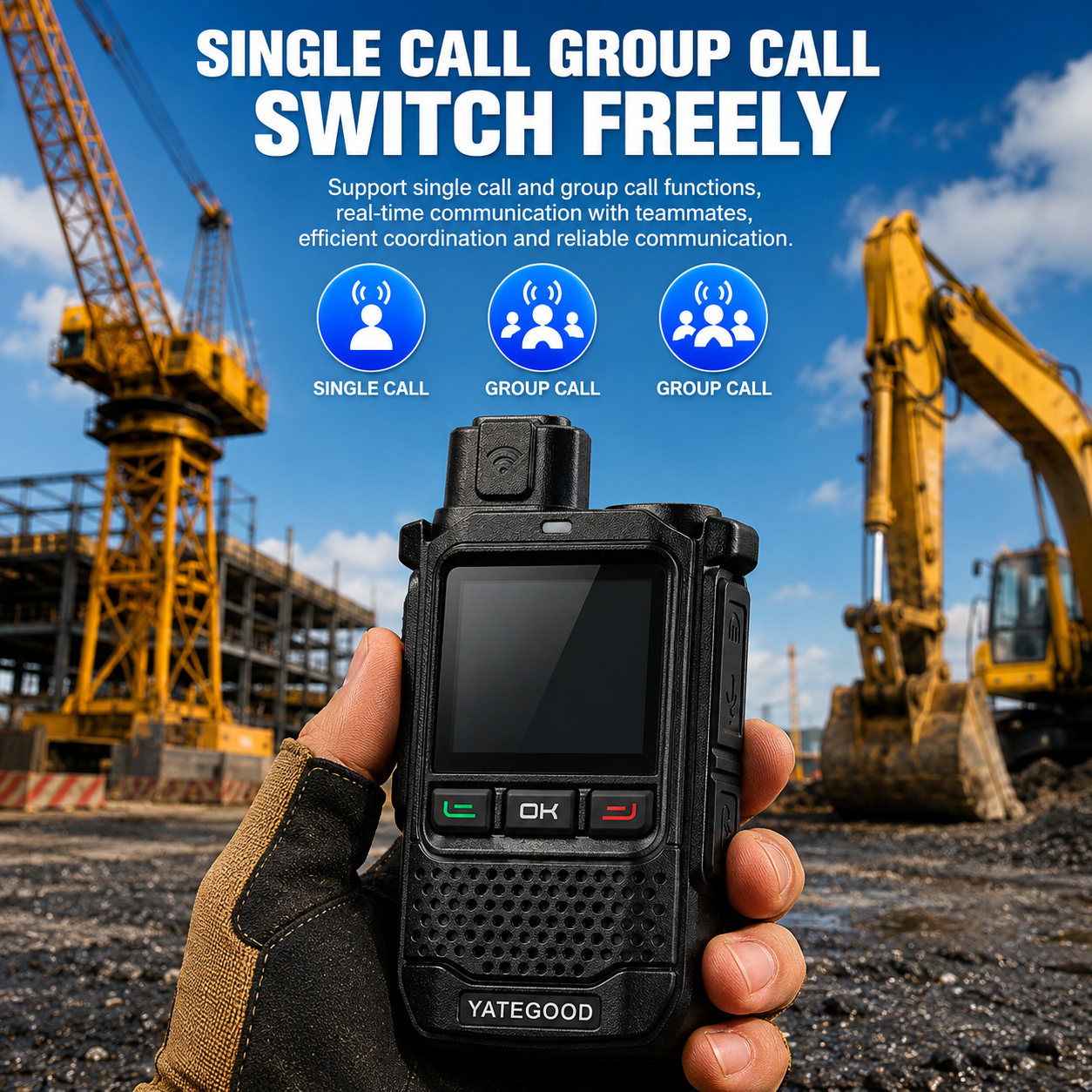
Heavy industry and construction: In crane operations, tunnel excavation, oil drilling, and other scenarios, operators often wear heavy gloves or hold tools. Walkie-talkies' large physical buttons and blind operation capabilities allow users to communicate accurately without visual contact.
Hotel property and commercial dispatch: Rapid flow between security, cleaning, and front desk staff. This scenario requires extremely high communication frequency, but each call is very short; using mobile phones or WeChat is too costly and inefficient.
Despite its age, the walkie-talkie has not stagnated amidst the advancements in modern communication technology. We've seen walkie-talkies on the market become increasingly feature-rich. Those integrating public network intercom and satellite phone capabilities have kept pace with the times, converging more communication methods.
In industry applications, walkie-talkies have been specifically designed to meet the unique characteristics of different sectors, creating barriers to entry and making it difficult for other communication methods to satisfy their needs. These are the reasons why walkie-talkies have endured.
Comment
.png?w=1254&h=1254)